Questions & answers
What is a monkey dish in a restaurant setting?
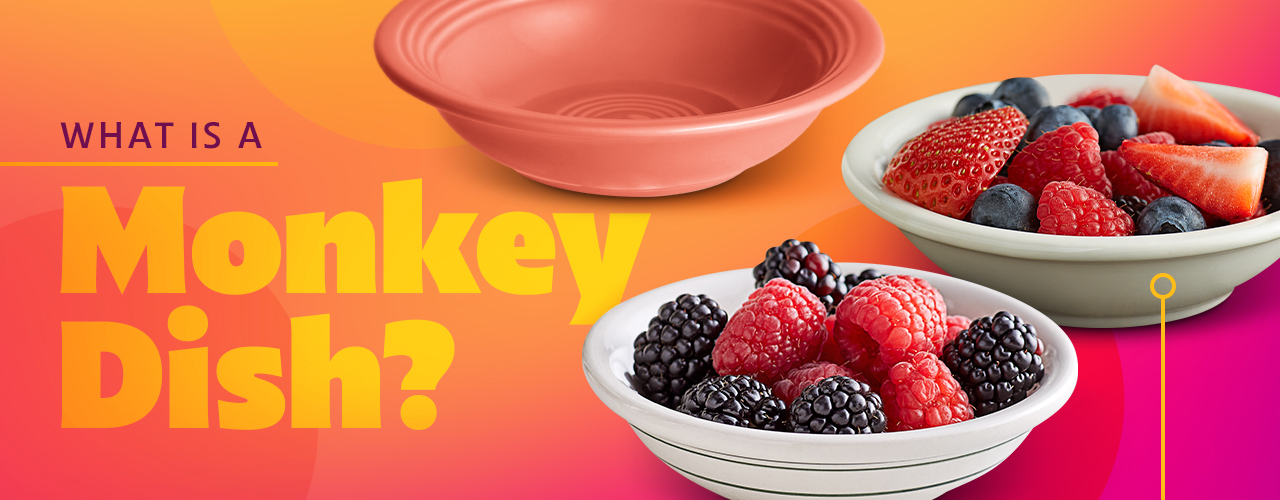
A monkey dish is a small, shallow bowl used in restaurants to serve individual portions of condiments, sauces, or small side dishes. It's designed for efficient portion control and elegant presentation, keeping different food items separate and preventing messes on the main plate. They are found everywhere from casual diners to upscale establishments, proving their versatility in food service.
Why do they call it a monkey dish?
The exact origin of the term "monkey dish" isn't fully clear, but popular theories suggest it's because these small bowls were traditionally used to feed monkeys, or perhaps their diminutive size is simply reminiscent of something a small primate might eat from. It's a charming, though somewhat enigmatic, piece of culinary jargon.
What are the main purposes of a monkey dish?
The main purposes of a monkey dish include precise portion control to minimize waste, enhancing food presentation by keeping accompaniments separate and neat, and improving overall table hygiene by providing individual servings of sauces and condiments. They contribute significantly to an organized and aesthetically pleasing dining experience.
Can I use monkey dishes at home for entertaining?
Absolutely! Monkey dishes are excellent for home entertaining. They allow you to serve individual portions of dips, sauces, nuts, or olives with a professional touch. They also aid in meal prep by holding small, pre-measured ingredients, making your home cooking both more organized and visually appealing.
What are typical sizes for monkey dishes?
Monkey dishes typically range from 2 to 4 inches in diameter, making them perfectly sized for single servings of condiments, small sides, or garnishes. This compact size ensures they fit well on busy tabletops without taking up too much space, while still providing adequate capacity for their intended use.
Where can you purchase monkey dishes?
You can purchase monkey dishes from a variety of sources, including restaurant supply stores, kitchenware retailers like Williams Sonoma or Sur La Table, and large online marketplaces such as Amazon or WebstaurantStore. Specialty culinary shops also often carry a selection, offering different materials and styles to suit your needs.
Are there different styles of monkey dishes?
Yes, monkey dishes come in various styles, primarily distinguished by their material. Common materials include ceramic for a classic look, porcelain for durability and elegance, glass for a modern aesthetic, and melamine for shatter-resistance and outdoor use. Each material offers different visual and functional qualities to match diverse dining settings.
Ever wondered about those tiny, often overlooked bowls in your favorite restaurant? Known as a monkey dish, these versatile vessels play a bigger role in dining than you might imagine. This article dives deep into what a monkey dish is, exploring its practical applications in commercial kitchens across the United States, from serving individual portions of dipping sauces and condiments like ketchup or hot sauce to presenting small side dishes and garnishes. We'll uncover why these small but mighty dishes are indispensable for chefs and restaurateurs looking to manage portions, enhance plate presentation, and elevate the overall guest experience. Understanding their purpose can even inspire home cooks to incorporate them for smarter meal prep or more elegant entertaining, adding a touch of professional flair to any table. Discover where to find them and how they contribute to culinary efficiency and aesthetic appeal in today's dynamic food scene.
Frequently asked questions
What is a monkey dish used for?
A monkey dish is a small, shallow bowl often used in restaurants to serve individual portions of condiments, sauces, side dishes, or amuse-bouches. Its compact size helps with portion control and elegant presentation, keeping items separate from the main meal. Think of it for ketchup, aioli, a side of pickles, or a small olive portion.
Why is it called a monkey dish?
The exact origin of the term 'monkey dish' is a bit unclear, but popular theories suggest it's because these small bowls were traditionally used to feed monkeys, or perhaps their petite size is reminiscent of something a small monkey might eat from. It's a charming, if somewhat antiquated, industry term that has stuck around.
What size are typical monkey dishes?
Monkey dishes typically range from 2 to 4 inches in diameter, making them ideal for small, single servings. Their compact footprint is crucial for busy tabletops and for maintaining precise portion control in a professional kitchen environment. They are designed to hold just enough without waste.
Are monkey dishes suitable for home use?
Absolutely! Monkey dishes are fantastic for home entertaining and everyday meals. They are perfect for serving individual portions of dipping sauces, spices, nuts, olives, or even for organizing small mise en place ingredients during cooking. They add a touch of restaurant-style sophistication to any table.
What materials are monkey dishes made from?
Monkey dishes are commonly made from durable materials like ceramic, porcelain, glass, or melamine. These materials are chosen for their resilience, ease of cleaning, and ability to withstand repeated use in both commercial and home settings, offering a range of aesthetic options to suit any decor.
Where can I buy monkey dishes?
You can find monkey dishes at restaurant supply stores, kitchenware retailers, and numerous online marketplaces. Specialty culinary shops often carry a wider array of styles and materials, allowing you to choose dishes that perfectly match your aesthetic and functional needs, whether for professional or personal use.
What Exactly Is a Monkey Dish in Restaurants?
Stepping into almost any dining establishment across the United States, you've likely encountered a small, unassuming bowl on your table, perhaps holding a dollop of ketchup, a side of aioli, or a few olives. This seemingly simple item is known in the culinary world as a monkey dish.
These compact vessels are far more than just miniature bowls; they are crucial components in restaurant service, meticulously designed for portion control, aesthetic presentation, and maintaining the integrity of various food items. Understanding what a monkey dish is can illuminate much about the precision and thoughtful planning behind your dining experience.
| Feature | Description | Benefit |
|---|---|---|
| Compact Size | Typically 2-4 inches in diameter | Excellent for portion control and tabletop space management |
| Versatility | Holds condiments, sauces, sides, garnishes | Adaptable to diverse culinary needs and presentations |
| Material Variety | Ceramic, porcelain, glass, melamine | Offers durability, aesthetic options, and ease of cleaning |
| Industry Standard | Common in professional kitchens | Ensures consistent service and hygiene standards |
The Real Deal with a Monkey Dish
A monkey dish is essentially a small, shallow serving bowl, usually made from ceramic, glass, or melamine, crafted specifically for the food service industry. Its primary function revolves around offering individual portions of accompaniments that diners might want to add to their main dish. Think about how often you see ketchup, mustard, or tartar sauce served separately rather than directly on your plate.
These dishes ensure that sauces don't mingle with other foods, preserving distinct flavors and textures. They also prevent over-serving, which is a major win for cost control in restaurants. Every ounce counts when you're managing inventory for a busy establishment, and these small bowls are surprisingly effective at keeping things tight.
Beyond just condiments, monkey dishes shine when presenting small side components. A wedge of lemon, a few capers, or a small handful of fresh herbs can be elegantly displayed. This attention to detail elevates the overall presentation of a dish, making it look more refined and thoughtfully prepared.
The subtle presence of a monkey dish helps maintain an organized and clean dining space, especially during multi-course meals. It allows diners to control their own additions without creating a messy situation directly on their dinner plate. It's a small element that contributes significantly to a harmonious eating environment.
| Aspect | Key Insight |
|---|---|
| Flavor Integrity | Keeps distinct flavors separate |
| Portion Control | Minimizes waste and manages costs |
| Enhanced Presentation | Adds elegance to plate aesthetics |
| Tabletop Organization | Promotes a cleaner, more orderly dining experience |
How Restaurants Use Monkey Dishes Today
Modern American restaurants integrate monkey dishes into nearly every aspect of their service, from casual diners to upscale bistros. In a bustling breakfast spot, you might find one holding a pat of butter or a dollop of jelly for your toast. Lunchtime often sees them laden with cole slaw or a small pickle spear alongside a sandwich.
For dinner service, the applications become even more sophisticated. Chefs use them for single servings of infused oils, artisanal salts, or even a tiny scoop of sorbet as a palate cleanser between courses. They are incredibly versatile tools that adapt to diverse culinary demands, proving their worth in varied menu presentations.
Moreover, the use of monkey dishes reflects a commitment to hygiene and guest satisfaction. By providing individual servings, restaurants reduce the risk of cross-contamination that communal serving dishes might pose. This detail offers peace of mind to patrons, reinforcing a sense of care and quality in their dining experience.
| Application Type | Common Examples | Impact on Dining |
|---|---|---|
| Condiments | Ketchup, mustard, hot sauce, aioli | Personalized flavor control, prevents mixing |
| Sides & Garnishes | Pickles, olives, lemon wedges, butter, jelly | Elegant presentation, keeps main dish uncluttered |
| Specialty Items | Infused oils, artisanal salts, amuse-bouche | Elevates perceived value, offers unique tastes |
| Hygiene | Individual portions | Reduces cross-contamination, enhances guest trust |
Frequently Asked Questions About Monkey Dishes
What exactly is a monkey dish?
A monkey dish is a small, shallow bowl commonly used in food service for serving individual portions of condiments, sauces, side dishes, or amuse-bouches. Its compact size is designed for efficient portion control and elegant presentation, keeping items separate from the main meal. These dishes are essential in both casual and fine dining settings to enhance the overall guest experience and streamline kitchen operations.
They are a staple in restaurant kitchens and dining rooms because of their practical design. Typically, they hold just enough to complement a dish without taking up excessive table space or leading to unnecessary waste. Their utility is a testament to thoughtful restaurant design.
This simple piece of dinnerware plays a silent yet significant role in how food is presented and consumed. Whether for a dash of soy sauce or a side of sour cream, the monkey dish ensures everything is neatly contained and readily accessible, reflecting a professional touch.
Why is it called a monkey dish?
The precise origin of the term 'monkey dish' is not definitively recorded, but several theories exist. One popular idea suggests that these small bowls were historically used to feed monkeys, perhaps in circuses or zoos, due to their perfect size for small portions. Another notion is that their diminutive nature evokes something a small creature might eat from.
Regardless of its exact etymology, the name has become standard industry jargon. It's one of those charming, slightly quirky terms that have been passed down through generations of chefs and restaurant staff. The name sticks, even if its origin remains a bit of a culinary mystery.
It's important to note that the term is widely understood within the food service community across the United States, signifying a specific type of versatile small bowl. While the name might sound unusual to an outsider, it's common parlance in professional culinary settings.
What are common uses for monkey dishes in US restaurants?
In US restaurants, monkey dishes are incredibly versatile and serve numerous practical purposes, primarily for portioned servings. They are frequently used for condiments like ketchup, mustard, mayonnaise, or salsa, preventing these items from spreading across the main plate. You'll also see them holding small side dishes such as coleslaw, pickles, olives, or a scoop of butter.
Beyond simple condiments, they're excellent for presenting garnishes, sauces that complement a main course, or even small, complimentary bites known as amuse-bouches. Their utility extends to organizing ingredients during meal preparation, keeping components separate until plated.
The adaptability of monkey dishes makes them indispensable. From a casual diner serving a side of gravy to an upscale eatery presenting a bespoke dipping sauce, these bowls streamline service, enhance visual appeal, and ensure a clean dining experience for patrons.
Are monkey dishes only for professional kitchens?
While monkey dishes are a staple in professional kitchens and restaurants, they are absolutely not exclusive to commercial use and are increasingly popular in home settings. Many home cooks and entertainers appreciate their functionality and aesthetic appeal for personal use. They offer a simple way to elevate home dining.
For instance, at home, they are perfect for serving individual portions of sauces, spices, nuts, or even holding small components for meal prep, much like chefs do in a commercial setting. They add a refined touch to dinner parties, making guests feel like they're enjoying a restaurant-quality experience.
Adopting monkey dishes at home can streamline your cooking process and enhance your table presentation. They provide a practical solution for organizing ingredients and serving accompaniments elegantly, proving that professional tools can easily transition into everyday home use.
Where can I buy monkey dishes for my home?
You can easily purchase monkey dishes for home use from a variety of retailers, both online and in physical stores. Restaurant supply stores, like those catering to commercial clients, often have a wide selection, as do general kitchenware retailers and department stores with a home goods section. Online marketplaces are also a great resource.
Websites like Amazon, WebstaurantStore, and specialty kitchen supply sites offer extensive options in terms of material, size, and style. Searching for "small condiment bowls" or "restaurant ramekins" might also yield similar results if the specific term "monkey dish" doesn't bring up enough variety.
Consider what material and aesthetic best suits your needs and existing dinnerware. Whether you prefer durable melamine, classic porcelain, or elegant glass, there are plenty of choices available to integrate these versatile dishes into your home kitchen.
What materials are monkey dishes typically made from?
Monkey dishes are commonly crafted from durable and easy-to-clean materials, ensuring they can withstand frequent use in demanding environments. The most popular materials include ceramic, porcelain, glass, and melamine. Each material offers distinct advantages in terms of durability, appearance, and maintenance requirements.
Ceramic and porcelain options are prized for their classic look and heat retention, making them suitable for both hot and cold items. Glass monkey dishes offer a sleek, modern aesthetic and allow the contents to be visibly appealing. Melamine is a practical choice, known for its exceptional durability and resistance to breakage, ideal for high-traffic settings or outdoor use.
The choice of material often depends on the establishment's style, budget, and specific functional needs. For home users, selecting a material that complements existing dinnerware and is easy to care for is usually a key consideration, providing a range of choices for every preference.
Elevating Your Home Dining with Monkey Dishes
Bringing the concept of a monkey dish into your home kitchen can significantly upgrade your meal presentation and overall dining experience. Think about how a chef carefully places each element on a plate; these small dishes help achieve that same level of precision and visual appeal in your own space. They transform an ordinary meal into something more thoughtfully curated.
Imagine serving a variety of dipping sauces for homemade spring rolls, or offering different artisanal salts alongside a perfectly seared steak. Monkey dishes make these presentations effortless and elegant. They also encourage portion control, which can be helpful for healthier eating habits, allowing you to manage servings of rich sauces or high-calorie condiments.
Beyond just serving, monkey dishes are fantastic for meal preparation. Use them to hold pre-measured spices, chopped herbs, or small amounts of liquids, keeping your workspace organized and efficient. It’s a trick borrowed directly from professional kitchens that translates beautifully to home cooking, making your culinary endeavors smoother.
| Home Use Idea | Description | Benefit |
|---|---|---|
| Condiment Bar | Offer various sauces like BBQ, ranch, hot sauce | Personalized flavor, restaurant feel |
| Appetizer Display | Serve nuts, olives, or small pickles | Elegant presentation, prevents clutter |
| Mise en Place | Hold pre-measured spices or chopped garlic | Organized cooking, efficient prep |
| Dessert Toppings | Present sprinkles, chocolate chips, berries | Interactive, fun for guests, tidy serving |
Choosing the Right Monkey Dish for Your Needs
When you're ready to pick out some monkey dishes, whether for a commercial setting or your home, consider a few key factors to ensure you make the best choice. First, think about the primary use. Will they hold hot items, requiring materials that retain heat, or primarily cold condiments?
Next, evaluate the material. Porcelain and ceramic offer a classic, weighty feel and are great for formal settings, while melamine is lightweight, shatter-resistant, and perfect for outdoor dining or families with kids. Glass provides a sleek, modern look that lets the food shine, but it requires careful handling.
Finally, consider the aesthetic and how well the dishes will integrate with your existing dinnerware or restaurant theme. A cohesive look contributes to the overall appeal of your table setting. Investing in a quality set that matches your style will ensure these versatile dishes serve you well for years to come.
Conclusion
The humble monkey dish, though often small and discreet, plays an undeniably vital role in the American dining landscape. From the busiest breakfast diners to the most elegant fine dining establishments, these versatile bowls are indispensable for precise portion control, immaculate food presentation, and enhancing the overall guest experience. They ensure every detail, from a dab of sauce to a delicate garnish, is perfectly presented and easily accessible.
Understanding what a monkey dish is and its many applications highlights the thoughtful planning that goes into restaurant service. It's not just about what you eat, but how it's presented. This attention to detail elevates a meal beyond mere sustenance, making it a truly enjoyable occasion.
For those looking to bring a touch of professional flair into their own homes, monkey dishes offer a simple yet effective solution. Whether you're entertaining guests or simply want to organize your cooking process, incorporating these small dishes can transform your culinary habits. Consider adding a set to your kitchen arsenal and experience the functional elegance they bring to every meal.
Key highlights
What is a monkey dish, restaurant condiment bowl uses, small serving dish definition, side dish portion control, enhancing dining presentation, where to buy monkey dishes, types of monkey dishes materials, culinary dish terminology, small bowl restaurant use, elegant food presentation tips, home entertaining small dishes
Gallery
What Is A Monkey Dish Webstaurantstore Header Ft Feature The Heck Monkeydish With Blueberries And Sliced Strawberries On Wooden Table New Ingredient Makes Cutis Especially Excited To Help Mom AA2GLV4V Img AA2GLV4V 551371 2026 Chinese Animal Predictions For Feng Shui Store In 2026 Year Of Horse 2026 978915 2026 Zodiac Remove Obstacles Combo Dzi Bracelet 2026 Set 2026 Abolish Evil Increase Merit 2026 2026 Powerful Edition 2026 CN Ad 2026 Eng 2026.
Year Of The Monkey Horoscope Predictions 2026 27a895cfbdd34e95ac1621b5a7cfefe6 Zodiac In 2026 Should Run Or Upskill Renerqi Chinese 2026 2026 2026 2026 Prediction For Fire Horse 2026 FB5E3EC1 0CAE 4612 BA9C 7A0932AFB7A12X 2026 FB5E3EC1 0CAE 4612 BA9C 7A0932AFB7A12X 2026 Love Career Wealth Health Forecast Hey China Horoscoopboek Aap 2026 Cosmic Green Dragon FS Book 2026 2026 Resourceful Moves Eastern Fate Header 2026 2026 Agile Traveler Seizes Globe Business 2026 Square Wall Calendar Pets Animals Months Premi 2026 Back 2026 Training Monkeys To Wash Dishes Is It Possible Petshun Can You Train 20240215224654 2026 Feng Shui Opportunities And Fortune 1200X A3 2026 Calendarsrus CRUCAL034MONKEYS 01BC89BF 4C4B 4162 B6F4 718F70429B3B CRUCAL034MONKEYS 01BC89BF 4C4B 4162 B6F4 718F70429B3B.
2026 Wooden Fillable Charcuterie Number Letter Shaped Serving Tray 2026 Washable Food Dish Plate Inch New Year Graduation Party Treat 2026 EC5B1CE1 3c83 4bc0 ACB3 1EDB94F0FA2B 86FA37CB29EC4ADA5A3B67F0C9AE919C 2026 EC5B1CE1 3c83 4bc0 ACB3 1EDB94F0FA2B 86FA37CB29EC4ADA5A3B67F0C9AE919C What Special Do You Think Annie The Little Monkey Will Make For Media 2026 Honda ABS Motorcycles Cleveland Ohio MONKEY125AT 2000000008 2026 Motocrossmag Co Th 2026 Spec 2026 Dishes Tradition Prepared In Advance No Beef 2026 Scaled 2026 Bowl Magic Unique Tale Of 2026 Rexburg ID Matte Black 2000000010 S At Toronto Distillery Winter Village 2026 Nutcracker Elves 2026 Calendar Etsy Il 7106633316 PL38 7106633316 PL38 With Shell 1588XN 7573477253 S9VB 1588XN 7573477253 S9VB Monkeys A3 2026 Calendarsrus CRUCAL034MONKEYSBACKCOVER.