Questions & answers
What cities are best to access Lake Titicaca?
The primary gateway cities for Lake Titicaca are Puno in Peru and Copacabana in Bolivia. Puno is accessible via flights to Juliaca and then a short bus ride. Copacabana is typically reached by bus from La Paz. Both cities offer numerous tour operators and accommodation options, serving as convenient starting points for lake excursions and cultural exploration.
Is Lake Titicaca safe for US tourists?
Lake Titicaca is generally considered safe for US tourists, particularly in main tourist areas and with reputable tour operators. Exercise standard travel precautions: be aware of your surroundings, protect valuables, and avoid isolated areas after dark. Altitude sickness is a primary health consideration; plan for acclimatization days and stay hydrated. Researching current travel advisories from the US State Department is also recommended.
How high is Lake Titicaca above sea level?
Lake Titicaca is situated at an elevation of approximately 3,812 meters (12,507 feet) above sea level. This makes it the highest navigable lake in the world. Its extreme altitude requires careful consideration for travelers from lower elevations, as altitude sickness can be a concern. Proper acclimatization is key to a comfortable visit to this stunning high-altitude destination.
What are the main attractions on Lake Titicaca?
Key attractions on Lake Titicaca include the Uros Floating Islands in Peru, where indigenous communities live on reed islands. Taquile and Amantani Islands, also in Peru, are known for their traditional textile weaving and homestay opportunities. On the Bolivian side, Isla del Sol (Island of the Sun) is significant for its Inca ruins and mythological importance, offering stunning hikes and historical insights.
Can I travel between Peru and Bolivia on Lake Titicaca?
Yes, traveling between the Peruvian and Bolivian sides of Lake Titicaca is common and straightforward. Regular bus services connect Puno, Peru, to Copacabana and La Paz, Bolivia. These routes involve a border crossing at checkpoints like Desaguadero or Kasani, where passengers complete immigration formalities. Ensure you have a valid passport and meet any visa requirements for both countries.
Navigate the majestic Lake Titicaca with our essential guide designed for US travelers. Discover its exact geographical location spanning Peru and Bolivia, understand its cultural significance, and learn practical tips for planning your visit. This comprehensive resource covers how to access the lake, explores must-see islands like Uros, Amantani, and Taquile, and provides crucial advice on altitude acclimatization. Make informed decisions about tours, accommodations, and cross-border travel. Uncover local hidden gems and ensure a safe, enriching journey. Whether you seek historical insights or breathtaking landscapes, this guide equips you with the knowledge to compare options, book experiences, and confidently explore the highest navigable lake in the world, making your adventure truly unforgettable. Start your journey here to find the best routes and attractions.
Frequently asked questions
What is the best way to get to Lake Titicaca from the US?
The best way to reach Lake Titicaca from the US involves flying to major cities like Lima, Peru, or La Paz, Bolivia. From there, take connecting domestic flights to Juliaca for Peru's side or utilize bus services from La Paz to Copacabana on Bolivia's side. Planning these connections in advance ensures a smoother and more efficient journey to the lake.
Do I need a visa for Peru or Bolivia to visit Lake Titicaca?
US citizens typically do not need a visa for short tourist stays in Peru (up to 183 days). For Bolivia, a visa is generally required for US citizens. It's crucial to check the latest visa requirements with the respective embassies or consulates well before your trip, as regulations can change. Always carry a valid passport.
How many days are recommended to visit Lake Titicaca?
Most US travelers find 2 to 3 days sufficient to experience Lake Titicaca's main attractions. This allows for a day trip to the Uros and Taquile Islands from Puno, or a visit to Isla del Sol from Copacabana. Adding an overnight homestay on Amantani or Isla del Sol provides a deeper cultural immersion and enhances the overall travel experience.
What should I pack for a trip to Lake Titicaca?
Due to the high altitude and varying temperatures, pack layers, including warm clothing, a waterproof jacket, and comfortable walking shoes. Sun protection, such as sunscreen, sunglasses, and a hat, is essential due to the intense sun. Also, bring any personal medications, altitude sickness remedies, and a reusable water bottle for hydration.
Are there hotels and accommodations available around Lake Titicaca?
Yes, both Puno, Peru, and Copacabana, Bolivia, offer a range of accommodation options, from budget-friendly hostels to more upscale hotels. On some islands like Amantani and Isla del Sol, homestays with local families provide an authentic cultural experience. Booking your lodging in advance, especially during peak travel seasons, is highly recommended to secure your preferred options.
What currency is used around Lake Titicaca?
In Peru, the currency is the Peruvian Sol PEN, while in Bolivia, it is the Bolivian Boliviano BOB. It is advisable to carry both currencies if you plan to visit both sides of the lake. US dollars may be accepted in some larger tourist establishments, but local currency is preferred for smaller purchases and local markets. Exchange rates vary, so check current values before traveling. Many ATMs are available in larger towns like Puno and Copacabana.
Planning a trip to South America often involves seeking out iconic natural wonders, and Lake Titicaca stands prominently among them. This guide aims to provide US travelers with a comprehensive understanding of its location, significance, and practical navigation tips. As the highest navigable lake in the world, Titicaca offers a unique blend of breathtaking scenery and rich indigenous culture, spanning the borders of Peru and Bolivia. Understanding its geography is the first step toward an unforgettable adventure, helping you envision your itinerary and make informed travel decisions for a smooth journey. We will explore everything from arrival points to cultural highlights, ensuring you are well prepared.
For those in the United States considering this incredible destination, knowing how to approach such a journey is key. We focus on providing clear, actionable information that addresses common inquiries and concerns. From flight paths to ground transportation, and from tour selections to health considerations related to high altitude, every detail is crafted to enhance your travel planning. This guide will help you decide the best way to experience Lake Titicaca, whether you are interested in ancient ruins, vibrant local markets, or simply soaking in the serene beauty of this majestic body of water. Prepare to uncover the secrets and splendor of this unique South American gem.
Where is Lake Titicaca Located and Why Does it Matter?
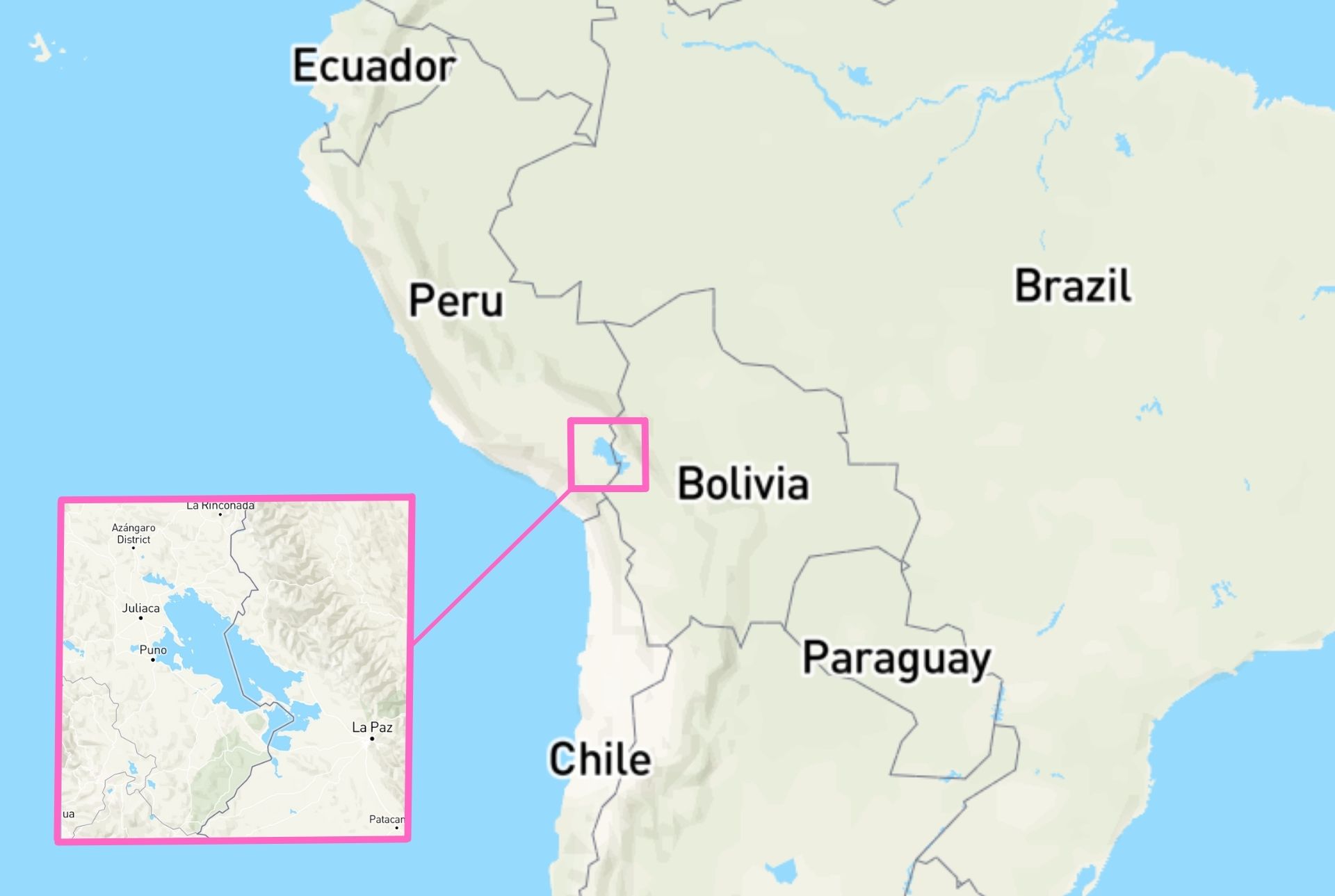
Lake Titicaca is majestically situated in the Andes Mountains of South America, straddling the border between southeastern Peru and western Bolivia. It is approximately 3,812 meters (12,507 feet) above sea level, making it the highest navigable lake globally. This unique geographical placement means travelers can explore two distinct cultural experiences, each nation offering its own perspective and access points to the lake. The Peruvian side is often accessed via the city of Puno, while the Bolivian side is commonly reached through Copacabana or La Paz, providing varied entryways and tour opportunities. Understanding these access points is crucial for itinerary planning and seamless border crossings for US visitors.
Its high altitude is a significant factor for US travelers, necessitating careful planning for acclimatization to avoid altitude sickness. Many visitors choose to spend a day or two in lower-altitude cities like Arequipa in Peru or even Cusco before heading to Puno, allowing their bodies to adjust. This strategic approach ensures a more comfortable and enjoyable exploration of the lake and its surroundings. Furthermore, the lake's vastness and depth contribute to its unique ecosystem and dramatic landscapes, creating a stunning backdrop for cultural immersion and outdoor activities. Prepare for cooler temperatures, especially in the mornings and evenings, due to the elevation.
For navigation, major cities serving as gateways to Lake Titicaca include Puno in Peru and Copacabana in Bolivia. Puno is well-connected by bus routes from Cusco and Arequipa, offering a straightforward journey for many US travelers. Copacabana, on the Bolivian side, is accessible from La Paz. Both cities provide a range of accommodation options, local markets, and starting points for boat tours to the lake's iconic islands. Understanding these primary hubs helps travelers select the most convenient and efficient route based on their broader South American itinerary, optimizing travel time and reducing logistical complexities. Researching specific bus or flight connections is highly recommended.
How to Navigate Lake Titicaca From the US?
Traveling from the United States to Lake Titicaca typically involves a multi-leg journey. First, travelers generally fly into a major international airport in Peru (such as Lima Jorge Chávez International Airport LIM) or Bolivia (like El Alto International Airport LPB in La Paz). From these major hubs, domestic flights or overnight buses connect to the gateway cities of Puno (Peru) or La Paz/Copacabana (Bolivia). For instance, after landing in Lima, a common route is a connecting flight to Juliaca (JUL), the closest airport to Puno, followed by a short bus ride. Booking these segments in advance, especially during peak travel seasons, ensures availability and potentially better pricing for your overall travel budget.
Once you arrive at your chosen gateway city, ground transportation is the primary method for reaching the lake itself and embarking on tours. In Puno, numerous tour operators offer guided boat trips to the Uros Floating Islands, Taquile Island, and Amantani Island. These excursions can range from half-day visits to multi-day overnight stays, providing diverse options based on your interest and schedule. Similarly, from Copacabana, boats depart regularly for Isla del Sol (Island of the Sun), a significant site in Inca mythology. It is advisable to compare different tour packages, checking reviews and inclusions, to find the best fit for your travel preferences and ensure a reputable provider.
Navigating between the Peruvian and Bolivian sides of Lake Titicaca is also a common option for many adventurous US travelers. There are regular bus services connecting Puno (Peru) to Copacabana and La Paz (Bolivia), often involving a simple border crossing procedure at Desaguadero or Kasani. Ensure your passport is valid and you meet the visa requirements for both countries if applicable. Buses often stop at the border, allowing passengers to complete immigration formalities. This cross-border journey offers a unique perspective on the distinct cultures surrounding the lake, enriching your travel experience and providing a comprehensive view of the entire region.
What to See on Your Lake Titicaca Map Exploration?
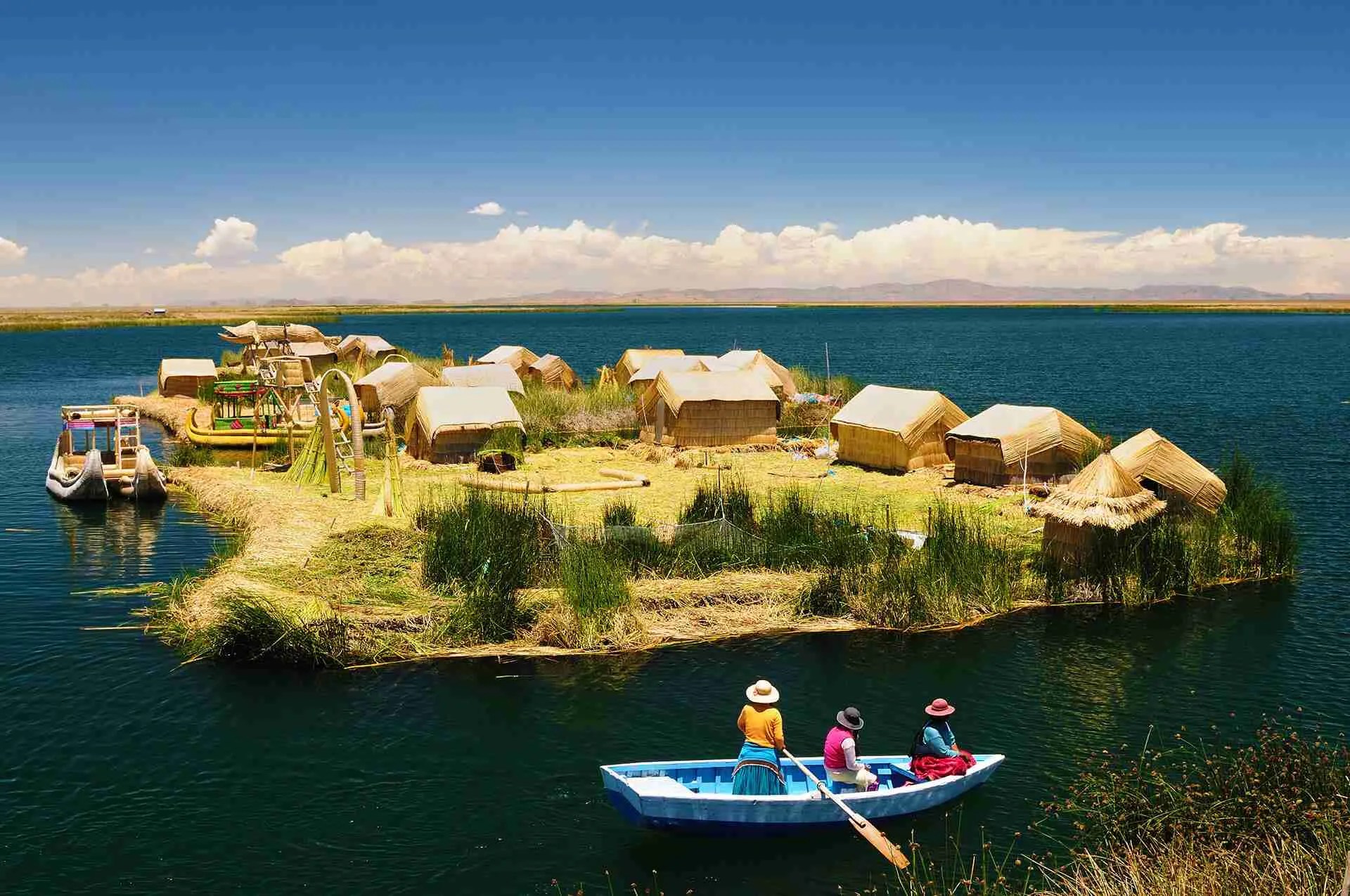
Your exploration of Lake Titicaca will undoubtedly feature its renowned islands, each offering a distinct cultural and historical experience. On the Peruvian side, the Uros Floating Islands are a must-see. These unique islands are entirely constructed from totora reeds by the Uros people, who continue to live on them, preserving their ancient traditions. Visitors can learn about their fascinating way of life, traditional crafts, and even take a ride in a traditional reed boat. Moving further into the lake, Taquile Island offers stunning terraced landscapes and a vibrant community known for its intricate textile weaving, recognized by UNESCO. Amantani Island provides an opportunity for authentic homestays, allowing travelers to immerse themselves in local customs.
The Bolivian side of Lake Titicaca also boasts compelling attractions, most notably Isla del Sol (Island of the Sun). According to Inca legend, this island is the birthplace of the sun and the first Incas, Manco Cápac and Mama Ocllo. It features numerous archaeological sites, including ancient ruins, sacred rocks, and pre-Inca terraces. Hiking across the island offers spectacular panoramic views of the lake and surrounding Andean peaks, making it a favorite for those seeking both historical insight and natural beauty. Exploring both the Peruvian and Bolivian shores provides a well-rounded understanding of the lake's profound historical and cultural significance to the region's indigenous populations.
Beyond the islands, the lake’s surrounding towns and communities offer rich cultural experiences. Puno, Peru, is famous for its vibrant folk dances and is considered the “Folkloric Capital of Peru,” especially during the Candelaria Festival. Copacabana, Bolivia, is a pilgrimage site known for its basilica and the revered Virgen de Copacabana. Both towns feature bustling markets where you can find local handicrafts, textiles, and traditional foods. Engaging with local guides and trying authentic cuisine can significantly enhance your understanding of the area's heritage and provide unique insights that are not easily found in guidebooks. Consider visiting local museums or cultural centers to deepen your appreciation.
Planning Your Lake Titicaca Itinerary Tips
Effective itinerary planning is crucial for a rewarding Lake Titicaca experience. When arranging your trip, consider the duration you wish to spend. Many US travelers opt for a one to two-day tour from Puno to visit the Uros and Taquile Islands. For a deeper immersion, overnight stays on Amantani Island or Isla del Sol (Bolivian side) are highly recommended, offering unique cultural exchanges with local families. Researching tour operators carefully is essential; look for providers with strong reviews, clear itineraries, and experienced local guides who can offer insightful commentary. Booking in advance, especially during high season, secures your spot and helps with overall travel logistics.
Health considerations, particularly regarding altitude, cannot be overstated. At over 12,000 feet, Lake Titicaca’s elevation can affect visitors from sea level. It is highly advisable to spend a couple of days in a lower-altitude city like Cusco or Arequipa before ascending to Puno or La Paz. Once at the lake, take it easy on your first day, avoid strenuous activities, drink plenty of water, and limit alcohol consumption. Coca tea, a traditional remedy, is widely available and can help alleviate mild symptoms. Consulting your doctor before travel about altitude sickness prevention methods or medications is also a prudent step to ensure a comfortable and healthy trip.
When budgeting for your Lake Titicaca adventure, factor in various costs beyond just flights and accommodation. This includes tour fees, which can vary depending on the duration and exclusivity of the trip, transportation to and from the lake's gateway cities, meals, and any souvenirs or local crafts you wish to purchase. Currency exchange rates for Peruvian Soles and Bolivian Bolivianos should also be considered. While some larger tour operators may accept credit cards, cash is often preferred for smaller purchases, local markets, and tipping. Always carry small denominations for convenience and be aware of ATM locations in the smaller towns around the lake.
Conclusion: Charting Your Course for Lake Titicaca
Exploring Map Titicaca offers US travelers an unparalleled journey into the heart of Andean culture and natural beauty. This guide has navigated you through its critical geographical context, highlighted the best ways to access and explore its wonders, and provided essential planning tips. From the unique floating islands of Uros to the ancient allure of Isla del Sol, the lake presents a tapestry of experiences waiting to be discovered. Remember to prioritize acclimatization, select reputable tour operators, and prepare for a rich cultural immersion. Your adventure to the world's highest navigable lake promises to be a truly transformative experience, leaving you with lasting memories of its serene waters and vibrant communities.
To make the most of your visit, consider dedicating ample time to truly absorb the diverse offerings. Engage with the local communities, savor traditional Andean cuisine, and allow yourself to be captivated by the stunning vistas that unfold around every corner. Before you go, double-check travel advisories and entry requirements for both Peru and Bolivia, ensuring a smooth and worry-free trip. Whether you are seeking historical insights, breathtaking landscapes, or deep cultural connections, Lake Titicaca delivers. Begin planning your journey today to discover the magic and mystique of this extraordinary destination, and embark on an adventure that will forever resonate with your spirit of exploration and discovery.
Key highlights
Lake Titicaca location, how to get to Lake Titicaca from US, best Lake Titicaca tours, Puno Peru travel guide, Copacabana Bolivia travel, Uros Islands cost, Lake Titicaca altitude sickness, what to see Lake Titicaca
Gallery


Lake Titicaca On A Map Harvardreferencinggenerator Political 289501290 Travel Guide The At Top Of World Bolivia Peru Itinerary Route Where To Go Lago Over Royalty Free Licensable Stock Vectors Vector 157281581 Machu Picchu Tour Tours One For All Machupicchulaketiticaca 815351690386236 Crop 1024 815351690386236 1024 And Information Mapa Lagp Transport Detailed Maps Location Smuggler S Paradise In News Smugglers Extension Kandoo 2709 Fun Facts About You May Not Know 78161 Tourist.


Lake Titicaca On The Border Of Bolivia And Peru Gray Political Map Laketiticacagraypoliticalmap 316298972 2516 South America Discovery With Puno Optional Extension Guided Tour 2026 A Must See American Sight F3631946 FD2C 4038 BF17 10960df73db5 F3631946 FD2C 4038 BF17 10960df73db5 Program In Water Conflict Management Transformation Laketiticaca 2004 Full 2004 Lago S Most Magical Places 2026 My Canvas ZAY6T9HB D EEAZHMEI7HD G2MPIFADBM73K5HRA0IJRH8THD2I S7PYBRW8TAIRNUK ZX261OFGN41VKIAX XWQQDULLWO7C6NBPEJSEWSR YNRNCXAV4LRAGGZBJQWEXF1KL9XRV 81XX9KTCT7T2Z 5ABR1KZXGI2Q9T2RIYGUJHKOKKDIMSXCL6MQ0URLG YOOY44GSUKIB5H1DGGH7BPI9FI PCB6UIV5TVU1WWDHSQJWZGLOVP2 E9X2K8P90GMXV9MZPM DLSUX9TUENZPLOYVOGK9Y00PI0E DHO7JZOT1TC Hda XLR7WAVUAXO1BSBBTJ KHX4HGFBHPQWGT99AZU2F9JZNZPDL9ZPB39GN3EJZSV2K1 Dcoocmdcvxvmmgufep 4LZMAPGJX2JXYONJYZYOG IW8Q HYUFPPTDNQLHNCOZSJUSNNDUW900 H780 No ZAY6T9HB 0DPETM0E5SUCA9FMRWOL5YEL54NCY69UYVPF8BWPCFCUQGMVSTA EEAZHMEI7HD G2MPIFADBM73K5HRA0IJRH8THD2I S7PYBRW8TAIRNUK PYQEK0PPFQP696EK7TV4SCKLOUEQDFHQFMHEVO9VMU9ELE70H5GV4GZZ5KNGBGIQZHNQRFVGCY8B8QAL91L88CCINJUYCEHYKDECE04IQBRY ZX261OFGN41VKIAX XWQQDULLWO7C6NBPEJSEWSR YNRNCXAV4LRAGGZBJQWEXF1KL9XRV 81XX9KTCT7T2Z 5ABR1KZXGI2Q9T2RIYGUJHKOKKDIMSXCL6MQ0URLG YOOY44GSUKIB5H1DGGH7BPI9FI PCB6UIV5TVU1WWDHSQJWZGLOVP2 E9X2K8P90GMXV9MZPM DLSUX9TUENZPLOYVOGK9Y00PI0E DHO7JZOT1TC JMAQGWSGPJFZ2MJPKNAKK2Y1PCUD4R2P87BH3FUGOFCOCFQHWW90WMPX48T XLR7WAVUAXO1BSBBTJ KHX4HGFBHPQWGT99AZU2F9JZNZPDL9ZPB39GN3EJZSV2K1 4LZMAPGJX2JXYONJYZYOG IW8Q HYUFPPTDNQLHNCOZSJUSNNDUW900 H780 2026 3e44c750ac3ad383d73f98ad8241aa41 File Png Wikimedia Commons 2026 TYJOFYFFIIHDJ796DQMXTPGIA K TD3SASJHWYIPZQI2RR YH4Q16EF 24ZTY 00ZWSPYVMKR M1U0XF2VP6WORIHOGMMC93TU TURCORRXERQB4W0KZGMNNHIN Wue Xmfe MPE B4I EAYA2ZPBHHXPMUGIA8UJT8EKEVZR8CQCQLFWN WW900 H809 CSLHHW3DAPZQKB5SVXT5LDX6LJEGPR41MSA48T4FPZVNYTVXMTK TYJOFYFFIIHDJ796DQMXTPGIA LFF5HTP6FSIZTMMLBZOK3OQYJJHAEQL8YBFP6L6C6EE0MMGKHNFITFBLIIVTWQEPWX8ADRGMJD8Y5LLZLMSVKLW TIASJC5BM31DONBYHHPAM1TU0E7HKN0EDV2WFYBKNT0KU56GSOHQKTDFL0XJHAQL6WUDREWQXMVW HJFLHJOT5OROW8WO5EVA8CWKP9WAVMQONUKMDVR0VR4BION8QZS LWH2C1YM9R7TUEXKWOELMQR8MFMQOUORBBPTPQFJKUO3RPP0UWEHIFXRBBL4NKQE1A TD3SASJHWYIPZQI2RR YH4Q16EF 24ZTY 00ZWSPYVMKR N9GIYWGA7HP1DOAWIIHH097VLBSHLDHBLUUDJYDGBYSY7GKTGGFN7HTQSEJ9N0CGASJR1MM83D5P8WCYYH2TX GMILG0WHYVYKF6WVX8OK7EPWP3RK2XMHDATHMJNEAZ7VNUQB71SOUMJRUAHQKLX1X58GL M1U0XF2VP6WORIHOGMMC93TU TURCORRXERQB4W0KZGMNNHIN B4I EAYA2ZPBHHXPMUGIA8UJT8EKEVZR8CQCQLFWN WW900 H809 Frontiers Assessing Potential Transition To Frwa 1781345 G001 1781345 G001 Library Congress Default.

Solved Lake Titcaca The Highest In World Is Situated Bet 61f3ea72bff2e66b96d73c45 Map 61f3ea72bff2e66b96d73c45 Vintage Titicaca Peru Poster City Road Wall Art 01B326ADB7EF644165FBC2F290FA5DAC Description Elevation Facts Britannica Locator Viajar A Machu Picchu Lago Y L Neas De Nazca Terandes 2026 Largest And Most Mysterious Travel Guide Costs Islands Tips Featured Lac Maps SKNI C743AB5D852879630424935599A1A390 Illustrated C743AB5D852879630424935599A1A390 Of Royalty Free Vector Image 51139849 See Ubicacion Del Mapa Ubicaci N Puno Per.