Are you a dedicated gamer balancing work, family, and life, yet still yearning for deep strategic victories in titles like Slay the Spire? You are not alone. US gamers, with an average age around 36, dedicate over 10 hours a week to their passion, often seeking efficient ways to master complex games without sacrificing precious time. This comprehensive guide is crafted specifically for you. We delve into expert strategies and time-saving tips designed to streamline your Slay the Spire runs, helping you achieve higher ascension levels and more consistent wins in less time. Discover how to optimize your deck building, identify critical relics, make swift in-game decisions, and leverage the meta to elevate your gameplay. Whether you play on PC, console, or mobile, which currently sees over 60% of US gamers engaging, these insights will transform your Slay the Spire experience, ensuring every session is productive, rewarding, and fun. Stop the grind and start conquering the Spire with smart, streamlined play.
How can I consistently win in Slay the Spire faster?
To consistently win faster in Slay the Spire, focus on aggressive deck thinning, prioritize relics and cards that enable your core strategy, and make decisive map choices. Learning to identify powerful synergies early and avoiding card bloat will significantly speed up your runs and increase your win rate.
What are the best strategies to streamline Slay the Spire for busy gamers?
Busy gamers looking to streamline Slay the Spire should focus on high-impact decisions, learning to quickly evaluate card and relic choices, and understanding when to cut losses on a bad run. Utilizing character strengths for quick power spikes and optimizing map routes to guarantee essential upgrades are key time-saving strategies.
Which Slay the Spire characters are most efficient for quick ascensions?
The Ironclad and The Silent are often considered most efficient for quick ascensions due to their reliable early game and clear win conditions. The Ironclad excels with strong defensive and offensive scaling, while The Silent can quickly set up powerful poison or shiv combos. The Watcher can also be incredibly fast with explosive turn potential but requires more precise play.
How do I optimize my Slay the Spire deck for speed and efficiency?
Optimizing your Slay the Spire deck for speed and efficiency means aiming for a lean deck (around 20-30 cards) that focuses on 1-2 powerful synergies. Prioritize removing weak starter cards, picking cards that provide immediate value or strong scaling, and resisting the urge to add every 'good' card if it doesn't fit your core strategy.
Can Slay the Spire mods help streamline gameplay?
Yes, certain Slay the Spire mods, particularly quality-of-life improvements, can help streamline gameplay by providing clearer information (like enemy intent) or enhancing UI elements. While content-adding mods can be fun, they might not directly speed up existing gameplay. Always ensure mods are compatible and from reputable sources.
What are common mistakes that slow down Slay the Spire runs?
Common mistakes that slow down Slay the Spire runs include card bloat (picking too many cards), indecisiveness during combat, clinging to weak starting cards, suboptimal map pathing, and over-relying on luck instead of building around what's available. Addressing these points will significantly improve your game speed.
How does understanding enemy intent streamline Slay the Spire combat?
Understanding enemy intent is crucial for streamlining Slay the Spire combat because it allows you to make quick, informed decisions. Knowing whether an enemy will attack, block, or debuff lets you efficiently allocate your block, target high-threat enemies, or set up defensive turns without wasted energy or overthinking, leading to faster and more confident plays.
For many US gamers, the joy of diving into a deep, strategic game is a cherished escape from the daily grind. With an average age of 36, many of us balance demanding jobs, family responsibilities, and a desire to stay connected with our favorite virtual worlds. While 87% of US gamers play regularly, often logging 10+ hours a week, finding efficient ways to enjoy complex titles is key. Slay the Spire stands out as a masterpiece of deck-building roguelikes, offering endless replayability and strategic depth. However, its runs can be lengthy, making it challenging for busy adults to truly master and enjoy without feeling rushed or overwhelmed. This article is your guide to learning how to streamline Slay the Spire, transforming it from a potential time sink into a rewarding, efficient, and consistently fun experience.
We understand the pain points: wanting to progress, wanting to try new builds, but feeling limited by time. You want to get better, but don't want to spend hours grinding. You seek performance optimization, value for your time, and meaningful skill-building. Here, we'll equip you with actionable strategies, smart decision-making frameworks, and insights into the game's mechanics, all designed to help you conquer the Spire with newfound speed and confidence. Let's make every minute you spend in Slay the Spire count.
How Can I Streamline My Slay the Spire Runs for Efficiency?
Streamlining Slay the Spire runs is all about making intentional decisions that prioritize impact and speed over exhaustive exploration. This means quickly identifying the most potent synergies for your current deck, understanding when to cut weak cards, and efficiently navigating the map. Instead of clearing every single path, learn to evaluate the risk-reward of each choice. Focus on high-value encounters that offer key upgrades, relics, or card removals. US gamers often find that focusing their intent for each run (e.g., 'this is a block run' or 'this is a damage run') helps immensely in decision-making and speeds up play.
What Are the Core Principles for Faster Slay the Spire Progression?
The foundation of faster progression in Slay the Spire rests on three pillars: **Aggressive Deck Thinning**, **Early Power Spiking**, and **Map Pathing Optimization**. Aggressive deck thinning means removing weak starting cards as early as possible to improve draw consistency. Early power spiking involves acquiring high-impact cards or relics that define your run's strategy quickly. For instance, finding a 'Barricade' early for Ironclad or a 'Catalyst' for Silent can dictate your entire build. Map pathing optimization involves choosing routes that guarantee essential upgrades (like campfire rests or shop visits) while minimizing low-value fights. Remember, the goal isn't just to win, but to win efficiently.
Which Characters Are Best for Quick, Streamlined Slay the Spire Plays?
While all characters can be played efficiently, The Ironclad and The Silent often lend themselves best to quick, streamlined Slay the Spire runs due to their straightforward mechanics and strong early game options. The Ironclad benefits from reliable early damage and block, making it easier to survive initial acts and build momentum. Cards like 'Body Slam' or 'Reaper' can quickly become win conditions. The Silent, with her shivs and poison, can also ramp up damage very quickly. The Defect and The Watcher require a bit more nuanced understanding of their core mechanics (orbs and stances, respectively) which can sometimes slow down early decision-making for those less familiar. However, with practice, even The Watcher's explosive turns can lead to incredibly fast wins.
How Do I Optimize Deck Building to Streamline Slay the Spire?
Optimizing deck building to streamline Slay the Spire involves a 'less is more' approach and a focus on synergy. Instead of adding every strong card, think about how each card improves your existing strategy. Aim for a lean, efficient deck, typically between 20-30 cards, that consistently draws into its win conditions. Prioritize card removals for your starting 'Strike' and 'Defend' cards, as they dilute your deck's power. Seek out cards that scale well into later acts or provide crucial utility like energy generation or drawing. For instance, if you're building a 'Poison' Silent deck, focus on cards that apply poison, rather than adding generic damage cards that don't synergize. Many top players, including popular streamers influencing US gaming trends this month, swear by this focused approach.
Are Mods Recommended to Streamline Slay the Spire Experience?
For PC gamers, mods can significantly enhance and streamline the Slay the Spire experience, though they are not always available on mobile or console. The BaseMod and ModTheSpire frameworks are essential for custom content. Quality-of-life mods, such as those that display monster intent more clearly or track your run statistics, can help you make faster, more informed decisions. Content mods that add new characters or cards can offer fresh challenges and extend replayability without necessarily 'streamlining' the core gameplay loop, but they can keep the game engaging for busy players seeking novelty. Always check mod compatibility and user reviews before installing to ensure a smooth experience.
What Strategies Help Manage Time Effectively in Slay the Spire?
Effective time management in Slay the Spire comes down to focused attention and pre-planning. Before starting a run, have a general idea of what kind of deck you want to build (e.g., strength-scaling Ironclad, infinite Silent). During combat, quickly assess enemy intent and prioritize targets. Don't overthink every single card play; often, the optimal sequence is clear after a quick scan. For complex turns, try to 'play out' the first few moves in your head to see immediate impact, then commit. Utilize in-game settings to speed up animations. Furthermore, recognizing when a run is clearly going sideways and abandoning it can save valuable time, letting you start fresh with a new strategy rather than limping to an inevitable defeat.
How Can I Quickly Identify and Prioritize Key Relics and Cards?
Quickly identifying key relics and cards to streamline Slay the Spire requires knowledge of common synergies and understanding your current deck's needs. For relics, prioritize those that provide reliable energy (e.g., Snecko Eye, Coffee Dripper), strong scaling (e.g., Vajra, Pen Nib), or crucial utility (e.g., Peace Pipe for removals, Sacred Bark for potions). For cards, always ask: 'Does this card solve a problem I currently have (e.g., AoE, single target, block)?' or 'Does this card significantly enhance my existing strategy?' Avoid picking cards that are merely 'good' but don't fit your deck's direction. Over time, you'll develop an intuition for these high-impact choices, making your selections much faster.
When Should I Abandon a Run to Streamline My Overall Progress?
Knowing when to abandon a Slay the Spire run is a critical skill for streamlining progress, especially for gamers who value efficiency. If you've reached Act 2 or 3 with a deck that clearly lacks synergy, has too many dead cards, or simply can't handle upcoming elite fights, it's often more efficient to restart. Dragging out a doomed run wastes time that could be spent on a more promising attempt. This isn't about giving up easily; it's about intelligent resource allocation. For many experienced players, acknowledging a 'bad seed' or a run where key pieces just didn't fall into place is a sign of mastery, not failure. Embrace the reset, learn from the experience, and dive into a new run with renewed focus.
What Are Common Pitfalls to Avoid for Efficient Slay the Spire Play?
To truly streamline Slay the Spire, avoid these common pitfalls: **Card Bloat**, where you add too many cards, diluting your deck's power; **Ignoring Early Game Scaling**, which leaves you underpowered for later acts; **Poor Map Pathing**, missing vital upgrades like shops or elite fights for relics; and **Holding onto Dead Cards**, refusing to remove starting cards or cards that no longer fit your strategy. Another common trap is **Over-reliance on RNG**, where players hope for specific cards instead of building around what they're given. Instead, adapt, make proactive choices, and focus on consistent performance. These are lessons learned by many in the 60% of US gamers who frequently engage with strategy titles on various platforms.
How Does Mobile Gaming Impact Streamlined Slay the Spire Sessions?
Mobile gaming has dramatically expanded access to titles like Slay the Spire, with over 60% of US gamers playing on mobile devices this month. This platform is perfect for streamlined sessions. You can easily pick up and put down a run, making it ideal for short breaks during work or family time. The touch interface can even speed up card selection and combat phases once you're accustomed to it. However, the smaller screen might make map pathing or detailed deck analysis slightly harder. To streamline mobile Slay the Spire, ensure you have a comfortable setup, consider larger screen devices like tablets, and utilize cloud saves if jumping between devices for maximum flexibility.
FAQ Section: Streamlining Slay the Spire
Is Slay the Spire a good game for short gaming sessions?
Absolutely! Slay the Spire is excellent for short sessions. You can save and quit almost anywhere, making it perfect for picking up and putting down during breaks. A full run might take an hour or more, but individual fights or map sections are often just a few minutes, allowing for flexible play.
What's the quickest way to learn advanced Slay the Spire strategies?
The quickest way is to watch experienced players on platforms like Twitch or YouTube, focusing on their decision-making process. Actively engage with community resources like the Slay the Spire Wiki or Discord servers. Then, apply what you've learned in your own runs, focusing on understanding *why* certain choices are made.
How important is 'Neow's Blessing' for streamlining runs?
Neow's Blessing is incredibly important for streamlining runs. A good blessing can set the tone, offering early energy, powerful relics, or crucial card removals. It provides a significant head start, allowing you to establish your strategy and power level much faster than starting with nothing.
Can I really improve my Slay the Spire win rate with focused play?
Yes, definitively. Focused play, understanding synergies, aggressive deck thinning, and efficient map pathing are all direct ways to improve your win rate. The game rewards strategic thinking and adaptability, not just brute force. Consistently applying streamlined strategies will lead to noticeable improvements.
What are the benefits of a 'thin' Slay the Spire deck?
A 'thin' Slay the Spire deck (fewer cards) offers several benefits for streamlining. It increases the probability of drawing your most powerful cards and combos, reduces the chance of drawing weak or irrelevant cards, and makes your deck more consistent and predictable, leading to faster and more reliable wins.
Should I always take relics over cards to streamline?
Not always, but relics often provide more consistent and passive benefits that contribute significantly to streamlining. Many relics offer permanent upgrades like extra energy, draw, or defensive capabilities. While powerful cards are essential, a good relic can sometimes have a greater impact on your run's overall efficiency and power.
Mastering Slay the Spire while balancing a busy life is entirely achievable with a streamlined approach. By focusing on smart deck construction, efficient map navigation, and intentional decision-making, you can elevate your game, secure more victories, and truly enjoy every moment you spend in the Spire. This isn't just about winning; it's about optimizing your valuable gaming time for maximum fun and skill development.
What's your biggest challenge in streamlining your favorite games? Comment below and let's find solutions together!
Unlock faster Slay the Spire victories. Master efficient deck building. Optimize relic and card choices quickly. Learn time-saving combat strategies. Adapt to mobile Slay the Spire play. Balance deep strategy with limited gaming time. Identify best characters for quick runs. Avoid common time-wasting pitfalls. Utilize community insights and mods for efficiency.
34




Slay The Spire 2 Early Access Release Date Launch Times Countdown Slay The Spire 2 Ea Release Date And Times . Slay The Spire 2 2026 ZGx91qwluE . Slay The Spire 2 Le Carton Indie De 2026 Com Slay The Spire 2 News Head . Slay The Spire 2 2026 Rivoluziona Il Meta Spazio ITech Slay The Spire 2 2026 Rivoluziona Il . Slay The Spire 2 Is Now A 2026 Release But Don T Blame Hornet 08 Slay The Spire 2





Slay The Spire 2 Shatters Roguelike Player Count Record Slay The Spire . Slay The Spire Review In 2026 Eneba Hub Slay The Spire Review. How Long Is Slay The Spire 2 Run Times Ascension Grind Guide 2026 Slay The Spire 2 Run Times Ascension Guide 2026.webp. Slay The Spire 2 S Early Access Moves To March 2026 FullCleared Slay The Spire 2 Doubles Marathons Concurrent Players On Steam 1536x864 . Slay The Spire 2 Se Convierte En El Roguelike M S Jugado De Steam Slay The Spire 2 1536x864

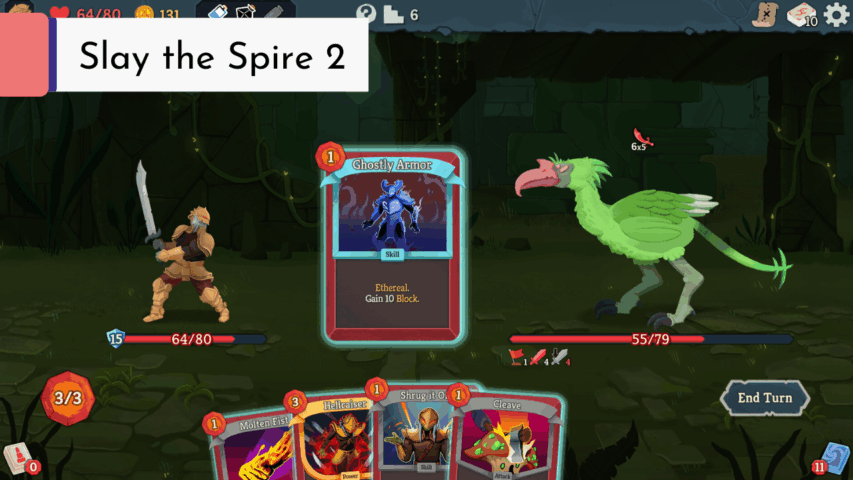



Best Slay The Spire 2 Necrobinder Builds 2026 Guide Slay The Spire 2 Best Builds For Necrobinder 2026 Launch Guide.webp. 30 Most Anticipated Indie Games Of 2026 NSG Most Anticipated 2026 Slay The Spire 2 853x480 . Slay The Spire 2 Explota Los Contadores Y Se Convierte En El Roguelite Slay The Spire 2 Explota Los Contadores Y Se Convierte . Streamline Slay The Spire Wiki Fandom Latest. 15 Best Slay The Spire 2 Mods Essential QoL Classes Overhauls Slay The Spire 2 15 Best Mods

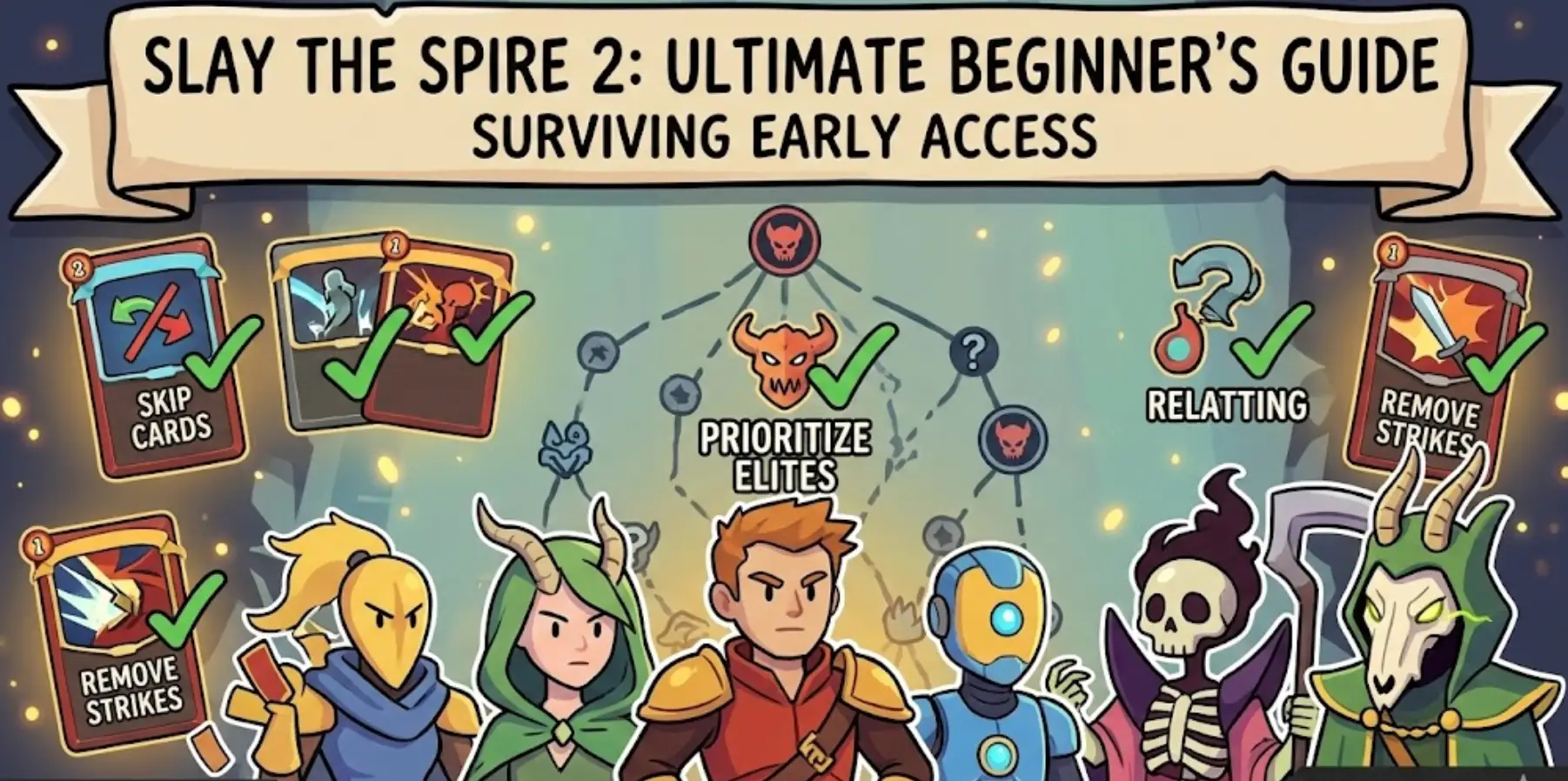



Slay The Spire 2 PC The Games Machine Slay The Spire 2 06 . Slay The Spire 2 Ultimate Beginner S Guide Best Tips 2026 Slay The Spire 2 Beginners Guide Early Access. Slay The Spire 2 PC The Games Machine Slay The Spire 2 04 . Slay The Spire 2 Ascension Levels Explained Ascension Level Slay The Spire 2 . Slay The Spire 2 Fast Leveling Guide Max XP Trainer Slay The Spire 2 Fast Leveling Cover.webp




Slay The Spire II Il Sequel Del Celebre Roguelike Deckbuilder Uscito Slay The Spire II 1536x864 . Slay The Spire 2 The Complete Guide To The New Roguelike On Steam Slay The Spire 2 Innovations. Wiki Slay The Spire 2 ES Cartas Y Gu As Og Image.webp. Slay The Spire 2 Dicas Essenciais Para Come Ar Portal Do Pixel Slay The Spire 2 Byrdonis Egg Quest Guide 4.webp. Slay The Spire 2 2026 Update Mode Baru Yang Ubah Cara Bermain Strategy Slay The Spire 2 2026 Update Mode Baru Yang Ubah Cara Bermain Strategy Card Game.webp


Slay The Spire 2 Best Regent Builds Regent Builds Slay The Spire 2 . Slay The Spire 2 Domine Steam Avec Un Lancement Historique Slay The Spire 2 Arrasa En Steam . Slay The Spire 2 La Rompi En Su Lanzamiento Y Ya Super Un R Cord 1 1.webp. Slay The Spire 2 Slay The Spire 2 Is Already A Hi Cc0c1d82 Image 725361d65 .webp. Slay The Spire 2 How To Play The Regent Slay The Spire 2 Complete Guide To The Regent How To Play




Slay The Spire 2 All Events And Rewards Guide 1 2048x1152 . Slay The Spire 2 Essential Tips Tricks For Beginners Slay The Spire 2 Tips Tricks Beginners Feature 2 . Slay The Spire 2 Debutta In Early Access Il 5 Marzo 2026 Co Op Fino A Cop Slay The Spire 2 Debutta In Early Access Il 5 Marzo 2026 Co Op Fino A 4 Giocatori E Nuove. Slay The Spire 2 Tips To Play The Silent Deltia S Gaming MixCollage 07 Mar 2026 07 41 AM 4908