Ever dreamt of creating your own multiplayer game where friends can connect, compete, and explore new worlds together? This comprehensive guide breaks down the complex journey of how to make a multiplayer game into manageable steps. Whether you are a hobbyist developer balancing a full-time job and family or an aspiring indie studio, understanding the core concepts from networking architecture to player synchronization is crucial. We explore essential tools, frameworks, and design principles that empower busy gamers to turn their creative visions into interactive realities. Discover how to tackle common challenges like latency, server costs, and cross-platform play, ensuring your game offers a smooth and engaging experience. Learn about current trends in social gaming and how to build a community around your creation without breaking the bank. This resource provides the navigational and informational insights you need to confidently embark on your game development adventure and make a multiplayer game that truly resonates with players. No prior deep coding knowledge is assumed, making it accessible to a wide audience eager to learn how to make a multiplayer game.
What's the first step for a beginner to make a multiplayer game?
For beginners, the absolute first step in how to make a multiplayer game is to start small and understand networking basics. Don't aim for an MMO immediately. Begin with a simple concept, perhaps a two-player tic-tac-toe or a basic shared canvas drawing app. This allows you to grasp fundamental concepts like client-server communication and data synchronization without getting overwhelmed by complex game mechanics. Many successful developers began with tiny projects, building their skills incrementally.
How do most popular multiplayer games handle server costs on a budget?
Many popular multiplayer games, especially indies, manage server costs by leveraging cloud services with scalable pricing models. Instead of owning physical servers, they use providers like AWS, Azure, or Google Cloud that charge based on usage. This allows them to scale up during peak times and scale down during off-hours, significantly reducing fixed costs. Some also use hybrid models, or integrate with managed backend services like Photon or PlayFab, which handle server infrastructure for a fee, abstracting away much of the complexity and cost management.
What kind of networking model is best for a fast-paced action multiplayer game?
For fast-paced action multiplayer games, the Client-Server model with a dedicated, authoritative server is almost universally preferred. This is because the server acts as the central truth for all game states, minimizing latency through techniques like client-side prediction and lag compensation, while also preventing cheating by validating all player actions. Peer-to-peer models often suffer from host advantage, cheating vulnerabilities, and inconsistent connections, making them unsuitable for competitive, real-time action.
Why do multiplayer games often feel laggy even with a good internet connection?
Multiplayer games can feel laggy even with a good internet connection due to several factors beyond your direct download/upload speed. Server distance (ping), network congestion on the server's end or along the route to it, and packet loss are common culprits. Even a very powerful local connection can't magically reduce the time it takes for data to travel across continents. Game optimization, such as efficient netcode and good server infrastructure, helps mask these issues, but inherent network physics remain a challenge for making a multiplayer game feel seamless.
Is cross-platform play a must-have for new multiplayer games in 2026?
While not strictly a "must-have" for every single title, cross-platform play has become a highly desired and often expected feature for many new multiplayer games in 2026. US gamers, especially Gen Z and Millennials, often play across multiple devices (PC, console, mobile) and want to connect with friends regardless of their preferred platform. Implementing cross-play significantly expands your potential audience and fosters larger, more vibrant communities, directly addressing the social aspect of modern gaming. It enhances value and increases player retention.
How do I protect my multiplayer game from cheaters?
Protecting your multiplayer game from cheaters primarily involves implementing server-authoritative logic. This means the game server, not the player's client, controls critical game state, validates actions (like movement, damage, resource acquisition), and detects anomalies. Other strategies include robust anti-cheat software (though these are often a cat-and-mouse game), obfuscating game code, implementing reputation systems, and having active moderation. Remember, it's an ongoing battle, and layers of defense are more effective than a single solution when you make a multiplayer game.
What tools help with matchmaking and player management in multiplayer games?
Many developers building a multiplayer game leverage specialized tools and services for matchmaking and player management. Popular options include Photon PUN (for Unity), PlayFab (Microsoft Azure's Game Stack), GameSparks (Amazon AWS), and Nakama (Heroic Labs). These platforms offer ready-made solutions for user authentication, friend lists, lobbies, leaderboards, cloud saves, and robust matchmaking algorithms, saving developers immense time and effort compared to building these complex systems from scratch. They often come with scalable infrastructure, reducing the burden of server management too.
Ever find yourself winding down after a long day, wanting to connect with friends over a game, but secretly wishing you could build your own shared world? You're not alone. For many US gamers, balancing a demanding job, family life, and personal passions means gaming is a precious escape and a vital social outlet. In fact, recent stats show that 87% of US gamers play regularly, often clocking 10+ hours a week, with social gaming trends continuing their ascent. The idea of creating a digital space where you and your buddies can adventure, compete, or simply hang out is incredibly appealing. But how do you even begin to make a multiplayer game when you're already juggling so much? The good news is, it's more achievable than you might think, even for those balancing life's many demands. This guide is built for you, the busy gamer who dreams of development. We'll demystify the process of how to make a multiplayer game, addressing common pain points like complex setup, performance woes, and finding budget-friendly solutions. By focusing on practical steps, efficient tools, and smart strategies, we'll help you navigate the journey from concept to connection, ensuring your valuable time is spent wisely and your project brings genuine satisfaction. Let's dive into making your multiplayer game dream a reality without the hype, just the helpful facts.
Why Should I Make a Multiplayer Game in 2026?
In 2026, the gaming landscape is more social than ever. Players crave shared experiences, whether it's cooperative storytelling, competitive esports, or simply hanging out in virtual spaces. Multiplayer games offer unparalleled replayability and foster strong communities, which is a huge draw for players who value social connection alongside skill-building. With the rise of cross-play between mobile, PC, and console, and platforms like Discord becoming central to gaming culture, a well-executed multiplayer game taps directly into what today's gamers want. From cozy games that facilitate relaxed interaction to adrenaline-pumping competitive titles, the demand for engaging shared experiences is consistently high, making it a rewarding endeavor for creators.
What Are the Core Technologies Behind Multiplayer Games?
At its heart, making a multiplayer game involves connecting multiple players over a network, ensuring everyone sees and experiences the game world consistently. This primarily revolves around networking architecture, where game clients (your players' computers or phones) communicate with a server (which can be dedicated or one player's machine). Key technologies include sockets for raw data transfer, network protocols like TCP (reliable but slower) and UDP (fast but less reliable), and serialization to package game data efficiently. Concepts like state synchronization (keeping game world identical across clients) and lag compensation (making up for network delays) are fundamental to a smooth experience. Modern game engines abstract much of this complexity, but understanding these basics helps in troubleshooting and optimization.
Which Game Engine Is Best for a Multiplayer Project?
Choosing the right game engine significantly impacts your development journey. For independent developers focusing on how to make a multiplayer game, Unity and Unreal Engine are popular choices due to their robust networking features and large communities. Unity, often favored for its accessibility and extensive asset store, has its own networking solutions (like Netcode for GameObjects or Mirror) that simplify much of the underlying code. Unreal Engine excels with high-fidelity graphics and a built-in networking framework that's powerful for complex simulations. For mobile-first or simpler 2D multiplayer games, engines like Godot or even custom frameworks can be excellent budget-friendly options. Consider your experience level, target platforms (cross-play is huge!), and specific game requirements when making this crucial decision.
How Do I Handle Networking and Server Infrastructure?
This is often where aspiring multiplayer developers hit their first major hurdle. You primarily have two architectural choices: Client-Server or Peer-to-Peer (P2P). Client-Server setups use a central server that clients connect to, acting as the "source of truth" for game state. This minimizes cheating and offers better performance consistency, but requires server hosting costs. P2P, where one player acts as the host and others connect directly, is cheaper to run but more vulnerable to cheating and host-dependent connection quality. For most robust multiplayer experiences, a client-server model is preferred. Cloud providers like AWS, Azure, or Google Cloud offer scalable server solutions. Alternatively, managed services like Photon Fusion or PlayFab abstract much of the server management, letting you focus on game logic.
What are the Biggest Challenges in Multiplayer Game Development and How Do I Solve Them?
Making a multiplayer game introduces unique complexities. Latency (lag) is a constant battle; techniques like lag compensation and client-side prediction help mask delays, making the game feel more responsive. Cheating is another major concern, especially in competitive games. Implementing server-authoritative logic (where the server validates all actions) is crucial for preventing client-side exploits. Synchronization issues, where clients see slightly different game states, can lead to frustrating bugs. Robust debugging and thorough testing across various network conditions are vital. Finally, scalability—ensuring your game can handle a growing number of players without performance drops—requires careful planning of your server architecture and efficient netcode. Start small, build incrementally, and stress test early and often.
How Can I Optimize My Multiplayer Game for Performance and Smoothness?
Performance optimization in multiplayer games is about making sure everyone has a fluid experience, regardless of their connection or hardware. Focus on reducing the amount of data sent over the network (network bandwidth optimization). This means only sending essential updates, compressing data, and using techniques like delta compression (sending only what's changed). On the client side, ensure your game runs well on a variety of systems. Efficient code, optimized assets, and good culling systems (not rendering what's unseen) are key. Server-side, optimize your game logic to minimize CPU usage per player, especially important for large player counts. Regular profiling and testing on different hardware configurations are non-negotiable for identifying and squashing bottlenecks. Remember, a smooth experience keeps players engaged.
How Do I Balance Development with My Busy Life?
This is a major pain point for many aspiring developers, especially those around age 36 with jobs and families. The key is realistic scope management and consistent, focused effort. Instead of aiming for an MMO right away, start with a small, contained concept—perhaps a 2-player co-op puzzle game or a simple arena brawler. Dedicate specific, short blocks of time (e.g., 1-2 hours after the kids are asleep, or a concentrated Saturday morning session). Use version control (like Git) to manage your progress, and break down tasks into tiny, achievable steps. Don't be afraid to leverage existing assets, libraries, and frameworks to accelerate development. The goal is progress, not perfection. Celebrate small wins and remind yourself why you started: for relaxation, skill-building, and fun. It's a marathon, not a sprint.
What About Monetization and Building a Community?
Monetization in multiplayer games has evolved beyond simple upfront purchases. Free-to-play (F2P) models with in-game purchases (cosmetics, battle passes, quality-of-life improvements) are dominant, particularly resonating with Gen Z/Millennials. However, transparency and value for money are crucial; avoid "pay-to-win" mechanics. For community, platforms like Discord are indispensable for fostering player engagement and gathering feedback. Regular updates, community events, and listening to player suggestions can turn casual players into loyal advocates. Influencers and streamers also play a huge role in discoverability in 2026. Engage with them and consider providing creator tools if appropriate. A strong community not only drives engagement but also provides valuable insights for your game's evolution.
Can I Really Make a Cross-Platform Multiplayer Game on a Budget?
Absolutely! Cross-play is no longer a luxury; it's an expectation for many US gamers, enabling friends to play together regardless of their device. Many modern game engines, like Unity and Godot, support building for multiple platforms (PC, mobile, console) from a single codebase. Cloud-based backend services (like PlayFab, GameSparks, or even Firebase for simpler solutions) can handle user accounts, matchmaking, and leaderboards affordably, scaling as your player base grows. While console porting might incur licensing fees and certification hurdles, achieving PC-mobile cross-play is very feasible for indie developers. Focus on network efficiency and common input schemes to ensure a smooth experience across devices. It's all about smart tool choices and leveraging existing infrastructure to keep costs down.
What are the Current Trends I Should Consider for My Multiplayer Game?
Beyond traditional competitive and co-op, several trends are shaping multiplayer gaming in 2026. Social/cozy games that prioritize relaxed interaction and community building (think Animal Crossing meets social hub) are incredibly popular, especially with adults looking to unwind. Player-generated content (UGC) and modding support empower communities and extend game longevity. The rise of AI companions/NPCs that interact dynamically with players and the environment adds depth. Ethical AI in moderation and content creation is also becoming a consideration. Furthermore, VR experiments are expanding, offering immersive social experiences, though still niche. Finally, sustainability in game design and operation is a growing concern for environmentally conscious players. Integrating these thoughtfully can give your game a unique edge and resonate deeply with current player values.
Embarking on the journey of how to make a multiplayer game is undoubtedly a challenging yet incredibly rewarding endeavor. From understanding networking complexities to managing server infrastructure, and balancing development with your busy life, each step builds towards creating a shared experience that connects people. By choosing the right tools, focusing on performance, engaging with your community, and staying mindful of current trends, you can overcome common hurdles. Remember, even a small, well-crafted multiplayer experience can bring immense joy and create lasting memories for you and your players. Don't let the technical details intimidate you; start small, learn continuously, and enjoy the process of bringing your multiplayer vision to life. What's your biggest gaming challenge when it comes to shared experiences? Comment below!
How long does it take to make a simple multiplayer game?
The timeline varies greatly, but a very simple two-player game (like a basic arena shooter or a co-op puzzle) with minimal features can take an experienced indie developer anywhere from 3 to 6 months of dedicated part-time effort. More complex games will naturally take longer, often a year or more. Prioritize core mechanics and iterate.
Do I need a dedicated server for my multiplayer game?
For most robust and secure multiplayer games, especially competitive ones, a dedicated server is highly recommended. It acts as an authoritative source, reducing cheating and improving stability. For very small, casual co-op games with a few friends, a peer-to-peer (P2P) setup might suffice, but comes with limitations.
What's the difference between authoritative and non-authoritative servers?
An authoritative server validates all player actions, processing game logic on the server and then sending updates to clients. This prevents cheating. A non-authoritative server trusts clients to perform game logic, leading to easier development but high susceptibility to exploits. For multiplayer, authoritative is almost always preferred for fairness.
Can I use a free game engine to make a multiplayer game?
Absolutely! Engines like Unity (with a free personal license for individuals/small teams), Godot Engine (completely open-source and free), and even Unreal Engine (free until your game earns a certain amount) offer powerful tools and networking solutions to create multiplayer games without upfront engine costs.
How do I test my multiplayer game efficiently?
Efficient testing involves several strategies. Use a local network for initial development. Employ automated tests for core gameplay loops and network interactions. Invite friends or a small group of beta testers to play across different internet connections and hardware. Simulate latency and packet loss to identify issues. Regular playtesting iterations are key.
What are some good resources for learning multiplayer game development?
For learning how to make a multiplayer game, check official engine documentation (Unity Netcode, Unreal Engine Networking), online courses from platforms like Udemy or Coursera, YouTube tutorials from channels like Code Monkey or Dapper Dino, and development communities on Discord or Reddit. Practicing with small projects is the most effective way to learn.
Understanding multiplayer game networking concepts Server client architectures and peer to peer models Choosing the right game engine and development tools Implementing player synchronization and state management Handling latency and network optimization strategies Monetization and community building for multiplayer games Balancing game development with real life commitments.
34


How To Make A Game Multiplayer A Simple Guide For 2026 How Yo Make A Unity Multiplayer Gamesm Post . How To Make A Game Multiplayer A Simple Guide For 2026 Multiplayer Game Development In Unity . How To Build A Multiplayer Live Service Game In 2026 Metaplay Preview Cover.webp. How To Make A Multiplayer Game Easily In GDevelop YouTube . FULL TUTORIAL Create Unity Multiplayer Games With Netcode For


Why Multiplayer VR Shooting Games Drive 3X Arcade Revenue 2026 MULTIPLAYER VR 1 . Why Build A Multiplayer Game Essential Steps To Online Game Game Development In 2025 02 Scaled.webp. How To Build A Multiplayer Live Service Game In 2026 Metaplay Preview Making.webp. How To Make A World Into Multiplayer Server In Minecraft . Best Online Multiplayer Games 2026 Play Free With Friends Best Online Multiplayer Games 2026.webp
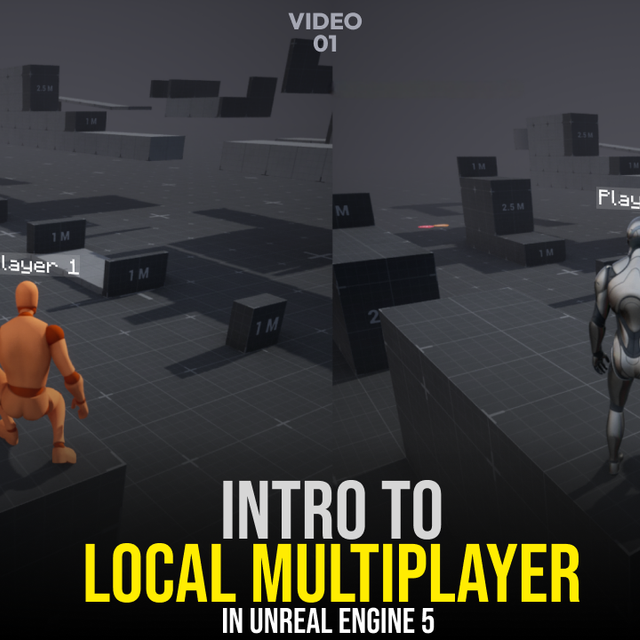

Make Local Multiplayer Community Tutorial. Every Major Co Op Game Coming In 2026 YouTube . Top 7 Multiplayer Games February 2026 Best Picks Top 7 Multiplayer Games February 2026 Featured Image . How I D Learn Multiplayer Game Development From Scratch In 2026 How Id Learn Multiplayer Game Development From Scratch 2026.webp. 20 Multiplayer Survival Games To Try In 2026 Eneba Hub Best Multiplayer Survival Games 768x430

Top 10 Multiplayer Games January 2026 FPS Battle Royale Top 10 Multiplayer Games January 2026 Featured Image 1024x571 . Building Multiplayer Live Service Games In 2026 Insights From Photon 1 1447x2048 . How To Build A Multiplayer Live Service Game In 2026 Metaplay Preview. How To Build A Multiplayer Live Service Game In 2026 Metaplay Photon Logo White . How To Build A Multiplayer Live Service Game In 2026 Metaplay Og Image


Top 10 Most Anticipated Games Of 2026 What To Watch Out For TVN GAMES IN 2026 . Multiplayer Game Development In 2025 Multiplayer Game Development . Humble Multiplayer Madness 2026 Indie Game Bundles. My Current Steam Wishlist 2025 2026 New Games YouTube . How Much Does It Cost To Make A Multiplayer Game RisingMax


How To Make A Multiplayer Game In Unity YouTube . Cost To Develop A Multiplayer Game Pricing Breakdown 2026 Multiplayer Game. How To Create A Multiplayer Game In 8 Minutes Community Tutorial. How To Create Multiplayer Games A 2026 Guide Mentionable 1768888881 . Wccftech S Most Anticipated Multiplayer Games Of 2026 New Online Worlds Most Anticipated Multiplayer Games Of 2026 1920x1081



How To Make A Cloud Multiplayer Game In Scratch Part 6 Tic Tac Toe . How To Make A Multiplayer FPS First Person Shooter Part 1 Unreal . How To Make A Game Multiplayer Step By Step Image E6cf6a42 D1a8 404c Ab09. How To Make A 3D MULTIPLAYER Game In GDevelop YouTube