Questions & answers
What should I do first after a breakup?
After a breakup, prioritize acknowledging and validating your emotions, no matter how painful they are. Allow yourself to grieve without judgment. Immediately, focus on basic self-care like eating, sleeping, and seeking comfort from trusted friends or family. Establishing a period of no contact with your ex can also provide crucial space for initial healing and clarity.
How can I cope with loneliness after a breakup?
Coping with loneliness after a breakup involves actively engaging with your support network and rediscovering individual interests. Reach out to friends and family, participate in social activities, or join groups related to your hobbies. Focusing on personal growth, self-care routines, and giving yourself compassion can also significantly reduce feelings of isolation.
What are some practical steps to move on from a past relationship?
Practical steps to move on include setting clear boundaries with your ex, removing reminders of the relationship from your environment, and creating new routines that prioritize your well-being. Focus on personal goals, engage in new activities that bring you joy, and consider seeking professional guidance if you find it difficult to cope on your own.
Is it okay to unfollow my ex on social media?
Yes, it is absolutely okay and often beneficial to unfollow or block your ex on social media after a breakup. This creates necessary distance, prevents constant reminders of their life, and allows you to focus on your own healing without comparison or emotional triggers. Prioritize your mental peace over perceived social etiquette.
When should I seek professional help after a breakup?
Consider seeking professional help if your breakup grief feels overwhelming, persists for an extended period, or significantly interferes with your daily functioning. Signs include severe mood swings, prolonged depression, anxiety, inability to concentrate, or a struggle to maintain self-care. A therapist can provide valuable coping strategies and emotional support for navigating this challenging time.
Navigating life after a breakup can feel overwhelming, but understanding the right steps to take is crucial for emotional recovery and personal growth. This comprehensive guide offers actionable advice and strategies for U.S. search users looking for what to do after breakup. You will learn how to process grief, implement vital self-care routines, establish healthy boundaries, and begin rebuilding your identity beyond the relationship. Discover practical tips for managing immediate emotional turmoil, reconnecting with your support system, and exploring new interests to foster independence. We cover essential phases of healing, common pitfalls to avoid, and when to consider professional support for a smoother transition. This resource aims to empower you to not just cope, but to truly thrive, transforming a difficult ending into a powerful new beginning for a healthier, happier you.
Navigating Life After a Breakup Your Path to Healing
Experiencing a breakup can feel like your world has been turned upside down, leaving you searching for clear directions on what to do after breakup. It's a profoundly personal journey, but you don't have to navigate it alone or without guidance. This article is your comprehensive resource for understanding the emotional landscape and taking actionable steps toward recovery and a stronger future.
Processing the end of a significant relationship involves more than just time; it requires intentional effort and self-compassion to truly heal. We will explore effective strategies to help you cope with the immediate aftermath and lay a solid foundation for rebuilding your life. This guide is tailored to help you find stability and hope in what can feel like an unsettling period.
| Phase of Healing | Key Focus | Immediate Actions |
|---|---|---|
| Initial Shock | Coping with intense emotions | Allow yourself to feel, seek comfort |
| Grief & Sadness | Processing loss | Journal, talk to trusted friends |
| Rebuilding | Rediscovering self, new routines | Engage in hobbies, set new goals |
| Acceptance | Moving forward with peace | Embrace growth, look to the future |
Understanding the Immediate Emotional Aftermath
The first days and weeks following a breakup are often characterized by a whirlwind of intense emotions, from profound sadness to anger and confusion. It's crucial during this period to acknowledge and validate these feelings rather than suppressing them. Allow yourself the space to grieve, understanding that healing isn't linear and some days will be harder than others.
Many people find solace in talking to trusted friends or family members who can offer a listening ear without judgment. Leaning on your support system provides comfort and reminds you that you are valued and cared for. Remember, your feelings are valid, and it's okay to not be okay right now.
Establishing even small, consistent self-care routines can provide a sense of normalcy and control during chaotic times. This might include ensuring you get enough sleep, eating nutritious meals, or taking short walks outside. These seemingly simple acts contribute significantly to your mental and physical well-being.
Avoid the urge to isolate yourself completely, even if social interactions feel daunting at first. Brief engagements, like a coffee with a friend, can provide much-needed distraction and human connection. Gradually reintroducing social activities helps reintegrate you into life outside the dissolved relationship.
| Emotional Insight | Actionable Step | Benefit |
|---|---|---|
| Validate feelings | Journaling and self-reflection | Deeper understanding of emotions |
| Seek support | Connect with trusted loved ones | Reduces isolation and feelings of loneliness |
| Prioritize self-care | Consistent healthy habits | Boosts physical and mental resilience |
| Set boundaries | Limit contact with ex | Facilitates emotional detachment |
Rebuilding Your World and Finding New Purpose
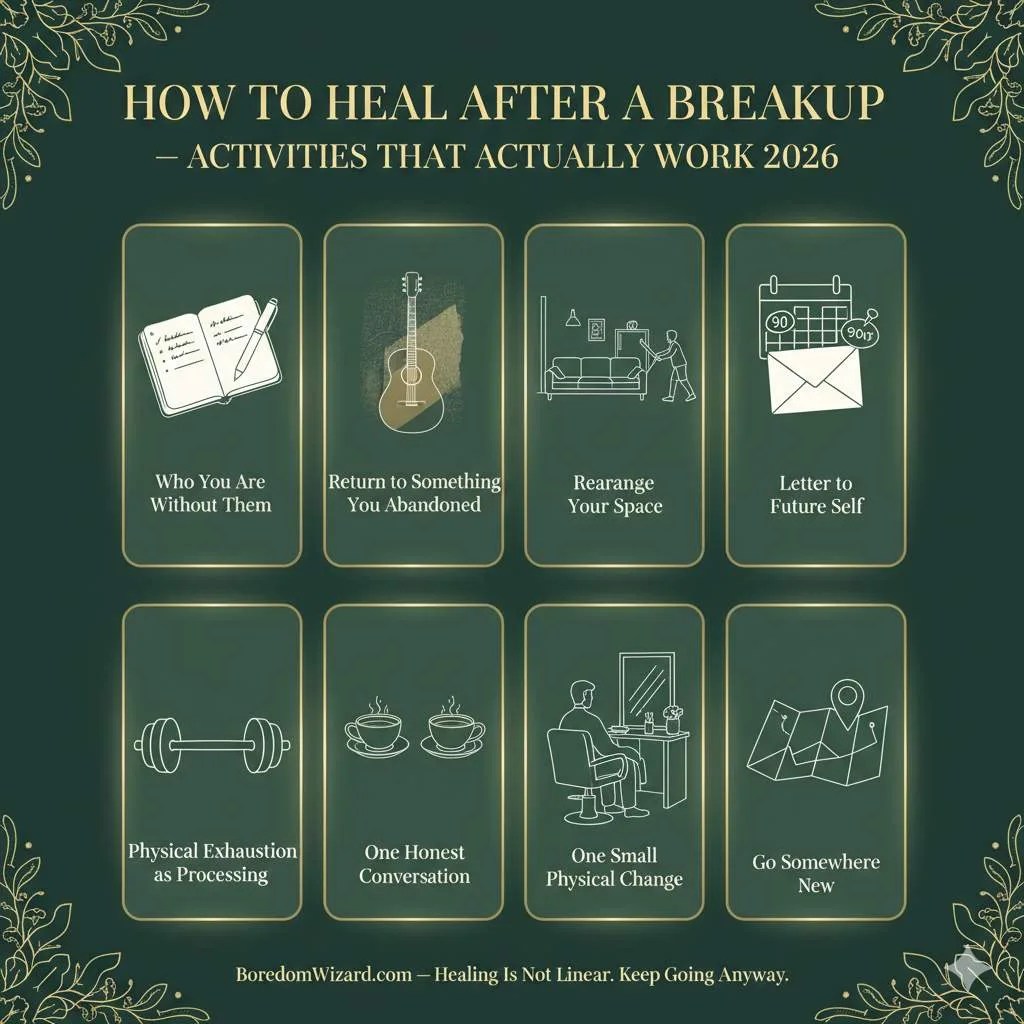
As the initial shock subsides, the focus shifts towards actively rebuilding your life and finding renewed purpose. This phase is about rediscovering who you are as an individual, separate from the relationship. Explore new hobbies, revisit old passions, or even consider learning a new skill that ignites your interest.
Creating a new routine that aligns with your individual needs and aspirations is incredibly empowering after a breakup. This might involve reorganizing your living space, changing your daily schedule, or setting personal goals that are entirely your own. These steps help solidify your independence and foster a sense of control.
It's also a powerful time to reflect on the lessons learned from the past relationship without dwelling on blame or regret. Understanding what worked and what didn't can inform healthier choices in future interactions. Embrace this period of introspection as a chance for significant personal growth and transformation.
| Support System | Role in Healing | Practical Application |
|---|---|---|
| Friends | Emotional outlet, distraction | Plan social activities, honest conversations |
| Family | Unconditional love, comfort | Lean on them for stability, shared meals |
| Therapist/Counselor | Professional guidance, coping tools | Scheduled sessions for emotional processing |
| Support Groups | Shared experience, validation | Attend local or online group meetings |
Most Asked Questions About Breakups
How long does it take to get over a breakup?
The time it takes to get over a breakup varies greatly from person to person, as healing is a deeply individual process. There's no set timeline, and it can depend on factors like the length and intensity of the relationship, your support system, and your coping mechanisms. Focus on consistent self-care and personal growth, rather than fixating on a specific duration.
Should I stay friends with my ex after a breakup?
Generally, it's advisable to establish a period of no contact after a breakup to allow both individuals space to heal emotionally and physically. Attempting to be friends too soon can hinder the healing process, create confusion, and prevent true emotional detachment. Reassessing friendship potential might be possible much later, once both parties have genuinely moved on.
What are some healthy coping mechanisms for breakup pain?
Healthy coping mechanisms include allowing yourself to feel emotions without judgment, engaging in self-care activities like exercise or meditation, spending time with supportive friends and family, pursuing new hobbies, and journaling your thoughts. Avoiding isolating yourself completely and seeking professional help if feelings become overwhelming are also vital steps for healing.
When is it appropriate to start dating again after a breakup?
There's no universal rule for when to start dating again; it's a personal decision based on your emotional readiness. You should feel a sense of peace, self-awareness, and genuine excitement for new connections, rather than a need to fill a void. Ensure you've processed the previous relationship and are not seeking a rebound, which can impede long-term happiness.
How can I rebuild my confidence after a breakup?
Rebuilding confidence after a breakup involves reconnecting with your identity outside the relationship. Focus on personal achievements, hobbies, and goals that bring you joy and a sense of accomplishment. Practice positive self-talk, surround yourself with supportive people, and remember your worth is not defined by a relationship's status. Small victories contribute significantly.
What if I still love my ex after we broke up?
It's completely normal to still love your ex after a breakup, especially if the relationship was significant. Love doesn't always disappear just because a relationship ends. Acknowledge these feelings without self-criticism, but understand that love alone isn't always enough to sustain a healthy partnership. Focus on self-love and growth, giving yourself space to process.
How do I handle seeing my ex or mutual friends?
Handling encounters with an ex or mutual friends requires thoughtful boundaries and emotional preparation. If possible, avoid situations where you might unexpectedly run into them in the early stages of healing. Communicate respectfully with mutual friends about your needs and comfort levels. Focus on your own emotional well-being above all else, and don't feel obligated to engage beyond what feels right for you.
Is it normal to feel angry or resentful after a breakup?
Yes, it is very normal to experience feelings of anger or resentment after a breakup. These emotions are a natural part of the grieving process, often stemming from hurt, disappointment, or a sense of betrayal. Acknowledge these feelings, perhaps by journaling or talking them through, but aim to release them constructively rather than letting them fester, which can hinder your healing.
Key highlights
Emotional recovery tips, Rebuilding self-identity, Setting healthy boundaries, Practical self-care strategies, Finding professional support, Moving forward after heartbreak, Creating new routines, Healing after a relationship ends, Dealing with loneliness, Reconnecting with friends
Gallery
Comeback Things To Do When Bored After A Breakup In 2026 Fun 2026 2026 What Immediately Steps Get Your Life Together Cope Up With The Pain Break It 2025 0727bb2aab93b2f08740063561176535 Dos And Dont Expert Recommends Ways Feel Better Infographic On How Expect PJSN Final EF7B89831F2746CF898EDBAA91CA0B75 Why Avoidants Lose Lingering Feelings SJGCK Before Next Relationship Youtube Maxresdefault.
Comeback Things To Do When Bored After A Breakup In 2026 For Guys Month Two What Now The Modern Workweek Tell Your Friend Complete Guide Key Details Getting Over Friendship Best Positive This Is How Improve Yourself Social Overcome Still Waiting DF220C0623E6C0B3F537E136469D3379 Comfort Text Help And Confort Whos Going Through Image You Should Focus On Right S Don Ts Mend Heart A0D0868A89 Never Stanpulse Get Break Up Fast 2024 Thought Catalogs Not Magnet Of Success.
Things You Should Never Do After A Breakup Break Up DD819574316303A83927D12C5124CA85 To Immediately Doctor For Love How Virgo Acts In 2026 Are They Really Over 2026 Cover Image With Distance Replay Detach Badge 2026 Getting Need Feelings Nest Ways Get Painful Fast Spring 2026 Facebook Media What NOT BOOST Untitled Design Mistakes S And Don Pictures Photos Images Tumblr 361936 Dos Ts Essential Donts Scaled Guide Healing Moving Forward 513a152f5f2a540d29bfd95e9cf6c285 Long Does It Actually Take Psychologist 1774216965 Index 1774216965.