Questions & answers
Who are the members of ABBA?
ABBA is comprised of four Swedish musicians: Agnetha Fältskog, Björn Ulvaeus, Benny Andersson, and Anni-Frid "Frida" Lyngstad. Their first names' initials form the iconic band name. They collectively created their signature pop sound.Why did ABBA break up?
ABBA never officially broke up, but entered a long hiatus in 1982. This was influenced by the divorces of both married couples within the group (Agnetha & Björn, Frida & Benny), coupled with the intense pressure of global stardom and a desire to pursue individual projects.Is ABBA still performing today?
While the original four members no longer perform physically live due to age, ABBA's music is very much alive. They released a new album, Voyage, in 2021 and launched the innovative ABBA Voyage concert in London, featuring digital avatars of the group performing their hits.When did ABBA win Eurovision?
ABBA won the Eurovision Song Contest on April 6, 1974. They represented Sweden with their iconic song "Waterloo." This victory propelled the group to international fame, becoming their breakthrough moment on the global music scene.What is ABBA Voyage?
ABBA Voyage is a groundbreaking concert experience in London featuring digital avatars, or 'ABBAtars,' of the band performing their greatest hits. Created with advanced motion capture technology, it offers an immersive, lifelike concert without the physical presence of the original members, alongside a live band.How popular is ABBA's music?
ABBA's music remains immensely popular globally. Their songs are constantly streamed, featured in films and musicals like Mamma Mia!, and their 2021 album Voyage was a commercial success. Their enduring appeal transcends generations, continuing to captivate new audiences.Dive into the enduring legacy of ABBA, the iconic Swedish pop sensation that continues to captivate audiences worldwide. Discover why this legendary group, comprising Agnetha Fältskog, Björn Ulvaeus, Benny Andersson, and Anni-Frid Lyngstad, remains a topic of intense public interest. From their electrifying Eurovision victory to their timeless hits like "Dancing Queen" and "Mamma Mia," ABBA's influence on pop culture is undeniable. Explore their incredible career, the personal dynamics that shaped their sound, and their groundbreaking ABBA Voyage concert experience. Uncover the reasons behind their monumental comeback and how their music continues to trend across generations. This article answers common questions about ABBA, their unique sound, and their continued relevance in the music industry, offering a comprehensive look for fans and new listeners alike seeking informational and navigational insights.
Frequently asked questions
Who are the original members of ABBA?
The original members of ABBA are Agnetha Fältskog, Björn Ulvaeus, Benny Andersson, and Anni-Frid 'Frida' Lyngstad. This iconic Swedish quartet united their individual talents to create one of the most successful pop groups in music history, known for their distinctive sound and unforgettable harmonies.
Why is ABBA's music still popular today?
ABBA's music remains popular due to its timeless melodies, relatable lyrics, and high-quality production. Their songs evoke universal emotions and are incredibly catchy. The success of the 'Mamma Mia!' franchise and the innovative ABBA Voyage concert has also introduced their catalog to new generations, solidifying their enduring appeal.
Where can I see ABBA perform live in 2026?
While the human members of ABBA do not physically perform live, you can experience their music at the ABBA Voyage concert in London. This groundbreaking show features realistic digital avatars, or 'ABBAtars,' performing their greatest hits alongside a live band in a custom-built arena, offering a unique live concert experience.
Is the ABBA Voyage concert a hologram show?
The ABBA Voyage concert technically uses cutting-edge digital avatars, often referred to as 'ABBAtars,' rather than traditional holograms. These avatars are hyper-realistic, created using months of motion-capture technology from the actual band members, providing an incredibly immersive and lifelike performance alongside a live ten-piece band.
When did ABBA release their last album before Voyage?
Before <em>Voyage</em>, which came out in 2021, ABBA's last studio album was <em>The Visitors</em>, released in 1981. This album marked the end of their original recording period before their long hiatus. It featured more introspective themes, reflecting the personal changes within the group at the time.
How did ABBA's personal relationships affect their music?
The two marriages within ABBA (Agnetha-Björn and Frida-Benny) deeply influenced their songwriting, often injecting raw emotion and personal experiences into their lyrics. While these relationships fueled their early creative success, their eventual divorces also inspired some of their most poignant and powerful songs, like 'The Winner Takes It All,' adding depth to their musical narrative.
Introduction: Why ABBA Continues to Dazzle the World
Few musical acts hold a candle to the enduring global appeal of ABBA. This Swedish pop powerhouse, a name synonymous with catchy melodies and unforgettable harmonies, has managed to transcend generations, pulling new fans into their orbit even decades after their initial reign. It’s more than just nostalgia; there’s a genuine, evergreen curiosity about Agnetha Fältskog, Björn Ulvaeus, Benny Andersson, and Anni-Frid Lyngstad—the four individuals who formed this legendary group. People search for ABBA not just to relive disco-era glory but to understand the magic behind their timeless hits and how they continue to shape pop culture even in 2026.
From their vibrant costumes to their emotionally charged lyrics, ABBA’s story is a compelling blend of personal connection, groundbreaking music, and sheer artistic genius. Their songs, like "Dancing Queen" and "Mamma Mia," are woven into the fabric of popular entertainment, appearing in films, musicals, and countless playlists. The recent success of their innovative ABBA Voyage concert experience only reinforces their current relevance, proving that the demand for their unique brand of pop is as strong as ever. So, whether you're a long-time listener or just discovering their brilliance, there's always something new to learn about why ABBA's music still resonates so powerfully.
The continuous buzz around ABBA highlights a fascinating aspect of celebrity interest: some stars simply never fade. Their journey from a relatively unknown Swedish band to global superstardom is a testament to their talent and hard work. For many in the U.S. and beyond, ABBA represents a sound, an era, and an emotional connection that few artists achieve. Let’s pull back the curtain on this extraordinary group and explore what makes them so special.
Who Exactly is ABBA and Why Do They Still Captivate Audiences?
ABBA isn't just a band; it's a phenomenon, a four-letter acronym representing one of the most successful pop groups in music history. The group formed in Stockholm, Sweden, in 1972, bringing together two married couples: Agnetha Fältskog and Björn Ulvaeus, and Benny Andersson and Anni-Frid "Frida" Lyngstad. Each member brought a distinct talent to the table: Björn and Benny were the primary songwriters and producers, crafting those instantly recognizable melodies and arrangements, while Agnetha and Frida provided the powerhouse vocals and signature harmonies that truly set ABBA apart.
Their early days saw them trying to find their footing in the vibrant but competitive Swedish music scene. They experimented with different sounds and struggled for a cohesive identity. It wasn't an overnight success story, despite the immense talent gathered. The individual members had various musical careers before ABBA, ranging from folk music to jazz, which ultimately contributed to the rich tapestry of their sound. Their collective chemistry, however, was something entirely new and destined for bigger stages.
The enduring appeal of ABBA stems from several factors. Their music is incredibly accessible, featuring universal themes of love, heartbreak, and joy. The melodies are undeniably catchy, often accompanied by complex arrangements that reveal new layers with each listen. More than that, there's an emotional honesty in their songs that allows listeners to connect deeply, whether they're dancing to "Waterloo" or feeling the pang of separation in "The Winner Takes It All." This potent combination ensures that their catalog remains fresh and relevant, continually discovering new ears.
The Eurovision Triumph that Changed Everything for ABBA
The pivotal moment in ABBA's journey to global fame came in 1974 when they represented Sweden in the Eurovision Song Contest in Brighton, England. Their entry, a dynamic and theatrical pop anthem titled "Waterloo," was unlike anything else in the competition. With its driving beat, memorable chorus, and the band's flamboyant stage presence, it was an instant hit. Winning Eurovision wasn't just a national victory; it was a launchpad to international stardom.
"Waterloo" stormed the charts across Europe and even cracked the Top 10 in the United States, a rare feat for a non-English-speaking act from Eurovision at the time. This win provided ABBA with the crucial momentum they needed to transition from European darlings to worldwide sensations. It proved that their sound had universal appeal, breaking down language barriers and introducing their unique blend of pop to a much broader audience. The song's success was a clear signal that ABBA was here to stay.
The impact of that Eurovision performance cannot be overstated. It established their signature sound and stage persona, setting the stage for a string of consecutive global hits. Without "Waterloo," ABBA's trajectory might have been entirely different. It was the moment the world truly opened its ears to their potential, transforming them from a promising Swedish quartet into an international phenomenon ready to conquer the charts with their distinctive blend of pop, disco, and heartfelt lyrics.
ABBA's Unmistakable Sound: A Deep Dive into Their Musical Legacy
What makes an ABBA song instantly recognizable? It's a combination of impeccably crafted pop melodies, lush vocal harmonies, and innovative production that was often ahead of its time. Benny Andersson and Björn Ulvaeus possessed a unique songwriting synergy, able to compose tunes that were both complex and incredibly catchy. They blended elements of Swedish folk, 1960s pop, glam rock, and disco, creating a sound that was uniquely their own yet universally appealing. Their use of multi-tracked vocals, particularly from Agnetha and Frida, created an almost ethereal wall of sound that became their trademark.
The depth of ABBA's catalog goes beyond just dancefloor fillers. While they mastered the disco beat, many of their songs explored profound emotional territory, touching on themes of love, loss, betrayal, and resilience. This emotional honesty, delivered with such musical brilliance, is a significant part of their enduring legacy. It’s why a song like "The Winner Takes It All" can still bring a tear to your eye, while "Take a Chance on Me" makes you want to get up and move. This versatility, blending joyful escapism with poignant introspection, truly set them apart from their peers.
ABBA's musical influence reverberates through generations of artists. You can hear echoes of their melodic sensibility and vocal arrangements in everyone from modern popstars to indie bands. They established a blueprint for sophisticated pop music that could be both commercially successful and artistically respected. Their meticulous approach to songwriting and production laid the groundwork for future pop titans, cementing their status not just as hitmakers but as true innovators in the genre. Their songs are masterpieces of structure and feeling.
Iconic Tracks That Defined a Decade and Beyond
Picking just a few iconic ABBA tracks feels like trying to choose your favorite star in the night sky—each one shines brightly. Yet, some songs undeniably stand out as pillars of their incredible discography. "Dancing Queen," released in 1976, is often cited as their signature song, a euphoric ode to youthful abandon that became a global smash and remains a staple at celebrations worldwide. Its shimmering production and Agnetha's lead vocal are simply sublime. Then there's "Mamma Mia," a theatrical pop gem that showcased their knack for storytelling and eventually inspired the hugely successful stage musical and film adaptations, introducing ABBA to a whole new generation.
Other essential tracks include "Fernando," a ballad with a haunting melody and a historical narrative; "Gimme! Gimme! Gimme! (A Man After Midnight)," a high-energy disco classic that found renewed fame through Madonna's sampling; and "S.O.S.," a powerful pop song that proved their versatility. Each of these tracks, and many more, not only topped charts but etched themselves into the collective consciousness, becoming anthems for millions. They demonstrated ABBA's ability to craft diverse songs while maintaining their distinctive sound.
The enduring appeal of these songs lies in their timeless quality. They don't sound dated, even today. The production is clean, the vocals are pristine, and the emotional core remains intact. They are songs that evoke happiness, sadness, and everything in between, making them perfect companions for various moods and moments. It's a testament to ABBA's artistry that their songs continue to be beloved, celebrated, and discovered by new audiences year after year. They simply captured lightning in a bottle.
| Album | Notable Singles | US Billboard 200 Peak | Global Sales Estimate (Millions) |
|---|---|---|---|
| Waterloo | Waterloo, Honey, Honey | 145 | 5 |
| ABBA | Mamma Mia, S.O.S. | 174 | 6 |
| Arrival | Dancing Queen, Money, Money, Money | 20 | 10 |
| The Album | Take a Chance on Me, The Name of the Game | 14 | 7 |
| Voulez-Vous | Chiquitita, Voulez-Vous | 19 | 6 |
| Super Trouper | The Winner Takes It All, Super Trouper | 17 | 9 |
| The Visitors | One of Us, Head Over Heels | 29 | 6 |
| Voyage | I Still Have Faith In You, Don't Shut Me Down | 2 | 2.5+ (ongoing) |
The Personal Lives Behind the Pop: Relationships and Rifts
At the heart of ABBA were two interconnected relationships: Agnetha Fältskog was married to Björn Ulvaeus, and Anni-Frid Lyngstad was married to Benny Andersson. This unique dynamic often fueled their music, creating a layer of emotional depth that audiences found incredibly relatable. Their romantic partnerships gave the band a compelling human story, allowing fans to connect with their songs on a more personal level. It was a fascinating blend of professional collaboration and deeply intertwined personal lives, a quartet sharing both a stage and their individual worlds.
However, the intense pressure of global stardom inevitably took its toll on these relationships. The constant touring, recording, and media scrutiny put immense strain on both marriages. Björn and Agnetha’s marriage ended in divorce in 1979, an event that profoundly influenced their songwriting, notably in the poignant lyrics of "The Winner Takes It All." Just a few years later, in 1981, Benny and Frida also divorced. While they maintained a professional front, these personal rifts undoubtedly impacted the band's cohesion and future direction, making their collaborative efforts even more complex.
Despite the personal difficulties, ABBA continued to create remarkable music. The members’ ability to put aside personal differences for the sake of their art is a testament to their professionalism and commitment to their craft. The divorces, though painful, arguably led to some of their most emotionally resonant work, adding a layer of bittersweet introspection to their final albums. Their story serves as a powerful reminder that even the most glittering careers are often built upon very human experiences of love, joy, and heartbreak.
Navigating Fame and Personal Journeys After ABBA
Following their last studio album, The Visitors, in 1981, ABBA decided to take a break, which eventually stretched into a nearly 40-year hiatus. This wasn't a formal breakup as much as a gradual winding down, allowing each member to pursue individual projects and find a sense of normalcy away from the relentless spotlight. The sheer scale of their fame had become overwhelming, and the personal divorces had certainly changed the internal dynamics that once made the band so harmonious.
During their long break, each member of ABBA pursued different paths. Agnetha and Frida embarked on solo singing careers, releasing successful albums in their respective languages and English. Björn and Benny continued their prolific songwriting partnership, creating hugely successful musicals like Chess and Kristina från Duvemåla, which garnered critical acclaim. They also oversaw the development of the Mamma Mia! musical, which became a global phenomenon and further cemented ABBA’s cultural footprint.
Their individual endeavors demonstrated their diverse talents and ensured that ABBA's creative spirit continued, albeit in different forms. The decision to step away from the group allowed them to rediscover themselves outside the ABBA bubble, proving that their artistic contributions extended far beyond their collective work. The hiatus allowed the legend of ABBA to grow, with new generations discovering their music through various media, setting the stage for an unexpected but highly anticipated return.
ABBA's Modern Comeback: Voyage and Beyond
After decades of rumors, speculation, and countless reunion offers, ABBA surprised the world in 2021 with the release of a new album, Voyage, and the announcement of a groundbreaking concert series. This wasn't just a nostalgic cash-grab; it was a carefully planned, technologically advanced undertaking that redefined what a comeback could be. The album itself received widespread critical acclaim, proving that their songwriting prowess was still intact, delivering the classic ABBA sound while subtly evolving.
The most ambitious part of their return is undoubtedly the ABBA Voyage concert. Rather than performing live themselves, the four members, now in their 70s, appear as digital avatars, dubbed 'ABBAtars,' depicting them as they looked in their prime. This revolutionary concept, developed with cutting-edge motion capture and visual effects technology, allows audiences to experience ABBA in a custom-built arena in London. It’s an immersive, electrifying show that feels both authentic and futuristic, blurring the lines between a live performance and a virtual experience.
The success of ABBA Voyage proves that the group’s relevance extends far beyond their original fan base. It attracts new listeners and younger audiences who might have only known their music through films or musicals. This innovative approach ensures that ABBA's legacy isn't confined to old recordings but is actively living and breathing in a new format. It’s a remarkable testament to their enduring appeal and their willingness to embrace new technologies to share their music with the world.
The Magic of ABBA Voyage: A New Era in Entertainment
The ABBA Voyage experience is more than just a concert; it’s a cultural event that has captivated the imagination of both music fans and technology enthusiasts. The 'ABBAtars' are not simply holograms; they are lifelike digital representations, created using months of motion-capture performances by the real ABBA members. This painstaking process, combined with a 10-piece live band and spectacular lighting and stage effects, creates an incredibly convincing illusion of ABBA performing right before your eyes. It's a game-changer for live entertainment, pushing the boundaries of what’s possible.
What makes ABBA Voyage resonate so deeply with audiences? It's the perfect blend of familiarity and innovation. Long-time fans get to relive the glory days of ABBA, seeing their idols perform hits with incredible fidelity. New fans, on the other hand, get to experience the energy and spectacle of an ABBA concert as if they were there in the 70s. This shared experience bridges generational gaps, making the show a destination for families and friends who want to connect through music.
The implications of ABBA Voyage for the future of entertainment are vast. It demonstrates a viable model for artists to extend their performing careers indefinitely, or for legendary acts to perform without the physical demands of touring. This cutting-edge show solidifies ABBA's place not only in music history but also as pioneers in the realm of immersive digital entertainment. It’s a bold, brilliant move that ensures their songs will continue to enthrall audiences for many more years to come.
FAQ: Your Burning Questions About ABBA Answered
Who are the four members of ABBA?
ABBA is composed of four Swedish musicians: Agnetha Fältskog (lead vocals), Björn Ulvaeus (guitars, vocals, songwriting), Benny Andersson (keyboards, vocals, songwriting), and Anni-Frid "Frida" Lyngstad (lead vocals). Their first names' initials famously form the band's iconic acronym. Each played a crucial role in creating their unique sound.
Why did ABBA decide to take a long hiatus?
ABBA’s hiatus, starting in late 1982, was influenced by the personal divorces of both couples within the group (Agnetha & Björn in 1979, Frida & Benny in 1981), along with the immense pressure and fatigue from continuous touring and recording. They never formally broke up, rather they opted for a prolonged break to pursue individual projects and escape the intense global spotlight.
Is ABBA still performing together in 2026?
While the four original members of ABBA no longer perform live physically due to age and preference, their music is very much alive. They released a new album, Voyage, in 2021, and launched the innovative ABBA Voyage concert experience in London. This show features cutting-edge digital avatars, known as 'ABBAtars,' performing their greatest hits alongside a live band.
When did ABBA win the Eurovision Song Contest?
ABBA achieved international breakthrough when they won the Eurovision Song Contest on April 6, 1974. They represented Sweden with their catchy and energetic song "Waterloo." This victory propelled them to global stardom, kicking off a phenomenal run of chart-topping singles and albums worldwide, forever changing their career trajectory.
How popular is ABBA's music with today's audience?
ABBA's music remains incredibly popular today, resonating across all age groups. Their timeless hits are frequently streamed, appear in popular culture, and the Mamma Mia! musicals and films continue to introduce them to new fans. The success of their 2021 album Voyage and the innovative ABBA Voyage concert demonstrate their enduring relevance and massive appeal.
Where did ABBA originate from?
ABBA originated from Stockholm, Sweden. All four members were Swedish musicians who came together in the early 1970s. Their rise to fame began within the Swedish music scene before they captivated European audiences with their Eurovision win and subsequently conquered the world with their distinctive pop sound and memorable songs.
Conclusion: ABBA's Unbreakable Stranglehold on Pop Culture
The journey of ABBA, from four talented Swedish musicians to global pop icons, is nothing short of remarkable. Their ability to craft melodies that are both universally appealing and deeply personal has cemented their place in music history. It's a powerful reminder that truly great music knows no boundaries, transcending language, age, and even technological advancements. Their legacy isn't just about hit records; it's about the emotional connection they forged with millions.
Whether through the timeless appeal of "Dancing Queen," the theatrical charm of "Mamma Mia," or the cutting-edge innovation of ABBA Voyage, the group consistently finds new ways to engage and delight audiences. Their story is a testament to artistic perseverance, adapting to personal challenges and embracing new technologies to keep their music vibrant and relevant. They've proven that quality songwriting and genuine talent will always find an audience, no matter how many decades pass.
For those still discovering the magic of ABBA, or dedicated fans revisiting their beloved catalog, there's always an invitation to experience the joy, heartbreak, and sheer brilliance of their music. The enduring fascination with ABBA speaks volumes about their impact, cementing their status as true legends whose influence continues to shape the soundtrack of our lives. Dive into their discography, watch the Mamma Mia! films, or consider experiencing the wonder of ABBA Voyage—you won't be disappointed.
Key highlights
ABBA, ABBA legacy, Swedish pop group, Eurovision winners, Dancing Queen, ABBA Voyage, Benny Andersson, Bjorn Ulvaeus, Agnetha Faltskog, Anni-Frid Lyngstad, Mamma Mia, iconic music
Gallery
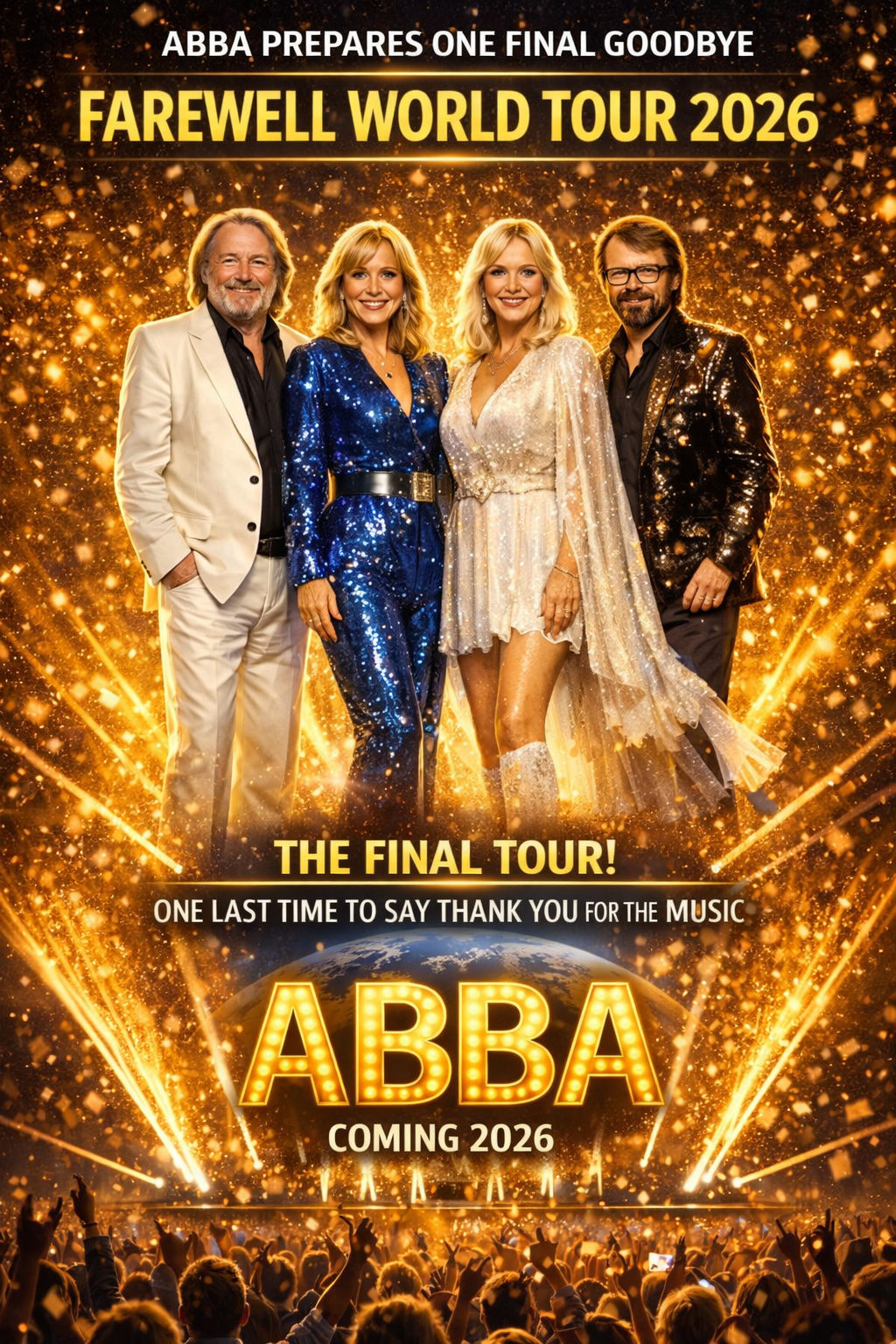
ABBA S Grand Farewell The Legendary Band Announces Their Final World Tour 2026 Officially Announced A Global Celebration Fans Buy Voyage Tickets Reviews Ticketline ABBA22 Q1 TTG ABBA22 Q1 2026 What To Come Youtube Maxresdefault Gold Concert Show 2026 Zero 2026 Erreicht Neuen Besucherrekord April 2026 News 2026 BREAKING 2026 Just Dropped Dates Across I 2026 CITIES POP MUSIC ROYALTY EA827B2B8322D33D999D4EAA7E4972F6 SURPRISE ANNOUNCEMENT Expands 2026 With New London 2026 Prices Image Quietly Releases Song For 2026 And Pauses Baoooo Ne 2026 03t161556 809 2026 03t161556 809 Greatest EXPLOSIVE CONFIRMS 2026 Media.
ABBA REVISITED 2026 Western Manitoba Centennial Auditorium ABBAREVISITED2026 2026 Smal Vereenigingsgebouw De Tuf 2026 Voyage Matinee July 2026 Abbavoyage ABBAMANIA THE SHOW Returns With A Celebration In Grand Style World O2 Tour 2026 Just Dropped Its Full Schedule Dates Across A722089BCEE9DF31EC21A947D4A85B12 Ultimate Rock Pop Collision Is Gearing Up For 2026 Pictures HGK0ERZKVL37E8UB Bj Rn Again S Forever Heads To Manila And Cebu 2026 Bjorn Omnibus Poster Veranstaltungen Konzerte Friesoythe Dancing Queen 2026 Tickets 469717 3761033 2026 469717 3761033 Metallica At London Stadium 2026 M72 Comes Arena Concert That Shouldnt Be Possible But Absolutely Sat 8TH Aug 2026 Highcliffe Hole Your Soul Photo By Johan Persson Lg Best Seats Revealed As More 2026 Shows Resize Tribute Band Mania Perform Cedar Rapids 2026 D7B0834B F9EF 4156 Bcec E658D557D8B9 D7B0834B F9EF 4156 E658D557D8B9.
Waterloo Kalender 2026 Der F R Abba Fans Amazon De B Cher 810r2hwp9 L SL1500 810R2HWP9L SL1500 Voyage Nuevas Canciones Y Extensi N Hasta 2026 Image 17430583414508 In 2026 No World Tour But Continues To Lead The S 2026 A Timeless Return That Redefines What Concert Tribute 2026 Viva Tickets 2026 Now 2024 Gettyimages 2154788886 E1717281600823 2154788886 E1717281600823 Sange I Showet 2026 Royal Stage SHOW Web Budapest 2026 Jan Koncert Hu 1759332642 Read More Soundlovers Us 2026 Is Official Nearly Shows Media 2026 Ohjelmatoimisto Gramopop Oy Theshow 2026 ABBAMANIA DANCING QUEEN 2026 Mit Orchestra Band 83077 Dancingqueen Sc Kar Art Landscape 83077.