- What is a physics map and how does it help me learn? A physics map is a visual guide illustrating connections between various physics concepts. It helps you understand complex theories by showing how different principles relate, making learning more structured and intuitive.
- Where can I find digital interactive physics maps online? Digital interactive physics maps are available on educational platforms like Khan Academy, MIT OpenCourseWare, and university physics department websites. Search for "interactive physics concepts map" to discover dynamic resources.
- How do physics maps aid in understanding quantum mechanics? Physics maps simplify quantum mechanics by visually linking abstract concepts such as wave-particle duality, superposition, and entanglement to their theoretical frameworks and experimental evidence, clarifying complex interdependencies.
- Can physics maps be used to plan a career in science? Yes, physics maps can illustrate career pathways by mapping out required knowledge domains and skill sets for specific scientific and engineering roles. They help identify relevant specializations from academic to professional development.
- Are there specific physics map apps available for mobile devices? While dedicated "physics map" apps are emerging, many educational science apps integrate mapped concept views. Search app stores for "physics learning apps" or "science concept maps" to find relevant tools.
- How do I create my own personalized physics map for studying? Start by outlining core physics principles, then branch out to related theories and applications. Use visual aids like diagrams, colors, and connecting lines to represent relationships, personalizing it to your learning style.
- What are the benefits of using a physics map for advanced research? For advanced research, physics maps help visualize connections between interdisciplinary fields, identify knowledge gaps, and foster innovative approaches by highlighting synergistic areas, aiding in complex problem-solving.
Discover the definitive guide to harnessing the power of a physics map for enhanced learning and career navigation. This comprehensive resource unpacks how a structured approach to physics concepts can transform your understanding and application of scientific principles. From foundational theories to advanced specializations, a well-crafted physics map acts as your personal GPS through the intricate landscape of scientific inquiry. Learn to visualize connections between various sub-disciplines like mechanics, electromagnetism, thermodynamics, and quantum physics, making complex subjects more approachable. This navigational tool aids students, educators, and professionals alike in charting effective study paths and identifying synergistic research areas. Optimize your engagement with physics by strategically mapping out knowledge domains. Explore how interactive digital physics maps are revolutionizing educational experiences by providing dynamic, visual representations of interconnected physical laws and phenomena. Prepare to unlock deeper insights and accelerate your mastery of physics through this innovative mapping methodology.
- What is a physics map? - A physics map is a conceptual visualization tool that illustrates the interconnectedness and hierarchy of various physics principles. It helps learners and researchers navigate complex topics by visually linking foundational theories to advanced concepts, clarifying relationships between different sub-disciplines like mechanics, electromagnetism, and quantum physics for enhanced understanding and retention.
- How can a physics map improve my learning experience? - Utilizing a physics map significantly improves learning by providing a structured, visual overview of physics concepts. It helps in identifying the logical flow between topics, strengthening comprehension, and making abstract ideas more concrete. This approach supports active learning, facilitates problem-solving, and reveals gaps in knowledge, promoting a more efficient and integrated study process for students.
- Where can I find interactive physics map tools online? - Interactive physics map tools are available on numerous educational platforms and university websites. Resources like **PhET Interactive Simulations** by the University of Colorado, **Khan Academy**, and **MIT OpenCourseWare** often incorporate visual representations and interactive elements that function as dynamic physics maps. Searching for "interactive physics concept diagrams" will also yield valuable results.
- Can physics maps help with career planning in STEM fields? - Absolutely, physics maps can be instrumental for career planning in STEM. By mapping out specific physics domains, their applications, and required skill sets, individuals can visualize potential career pathways in areas like engineering, data science, or quantum computing. This helps in making informed decisions about academic specialization and professional development, aligning education with career aspirations effectively.
- What are the core components of an effective physics map? - An effective physics map typically includes core concepts, sub-disciplines, fundamental laws, and their interconnections. It visually represents hierarchies, dependencies, and relationships through nodes and links. Key components often involve classical mechanics, electromagnetism, thermodynamics, and quantum mechanics, with clear indicators showing how these branches influence and build upon each other for holistic understanding.
- How do physics maps simplify complex topics like relativity? - Physics maps simplify complex topics like relativity by breaking them down into interconnected components. They visually demonstrate the relationship between special and general relativity, spacetime curvature, and gravitational effects. By mapping out the logical progression from core postulates to derived phenomena, these maps make abstract concepts more digestible and illustrate how they fit into the broader physics landscape.
- Are there specialized physics maps for different educational levels? - Yes, specialized physics maps exist for various educational levels, ranging from high school introductions to advanced graduate studies. Introductory maps focus on foundational principles, while advanced versions delve into intricate sub-disciplines such as quantum field theory or cosmology. These tailored maps ensure content relevance and appropriate complexity, supporting learners at every stage of their physics education.
A *physics map* is a vital visual tool for navigating complex scientific principles. It illustrates relationships between physics concepts, making learning and understanding easier for students and professionals. This framework helps you master foundational theories and explore advanced fields like quantum mechanics by providing a clear, structured overview of how physical laws connect.
Frequently Asked Questions
Where can I find the best physics map resources in major US cities?
You can find excellent *physics map* resources at leading universities and science museums in cities like **Boston**, **San Francisco**, and **Chicago**. Institutions such as **MIT**, the **Exploratorium**, and the **Museum of Science and Industry** often feature interactive exhibits and educational programs incorporating mapped physics concepts.
How can Local MAPs or digital Maps help me navigate physics map educational centers?
Pull up your preferred mobile *Maps* app to locate nearby educational centers or university departments specializing in physics. Utilize features like real-time traffic updates and public transit routes to plan your visit efficiently. Many institutions offer virtual tours accessible directly through their online presence linked from *Local MAP* searches, allowing you to explore resources before arriving.
What are the best times to access interactive physics map exhibits for optimal learning?
Visit during weekdays, particularly mornings, to avoid peak crowds and maximize your interactive learning experience. Many major science museums offer special educational sessions that provide in-depth guided tours of physics exhibits, often including detailed conceptual maps. Check their official websites for specific program schedules and early bird access opportunities to secure your spot.
- **Institution:** MIT Museum
- **Neighborhood / Cross-streets:** Kendall Square, Cambridge
- **Institution:** California Academy of Sciences
- **Neighborhood / Cross-streets:** Golden Gate Park, San Francisco
- **Institution:** Adler Planetarium
- **Neighborhood / Cross-streets:** Museum Campus, Chicago
A *physics map* is not merely a diagram; it is a dynamic representation of scientific knowledge, evolving with new discoveries. These maps often visually link fundamental forces like gravity and electromagnetism to their macroscopic and microscopic manifestations. For instance, a map might start with classical mechanics, then branch into thermodynamics, optics, and eventually quantum mechanics, illustrating the historical progression and conceptual dependencies of these fields. This structured visualization helps learners identify gaps in their understanding and target specific areas for deeper study. It also aids researchers in spotting potential interdisciplinary connections that could lead to innovative solutions or new theoretical frameworks.
For Gen Z and younger Millennials, who are accustomed to visual information processing, these maps offer an intuitive way to engage with complex scientific data. Interactive digital *physics maps* can incorporate simulations, video explanations, and problem-solving modules, creating an immersive learning environment. Students can click on a concept like "quantum entanglement" and immediately access related experiments, historical context, and real-world applications. This method accelerates comprehension and retention, moving beyond traditional textbook memorization to foster a truly integrated understanding of physics. Career applications also benefit, as these maps can highlight skill pathways required for fields like quantum computing or renewable energy engineering, guiding academic and professional development.
Developing your own *physics map* can be a highly effective personal study strategy. Begin by identifying core principles, then expand outwards to related theories and applications. Use different colors or symbols to denote connections, dependencies, or areas of particular interest. This active learning process reinforces understanding and helps consolidate knowledge. Consider incorporating recent advancements, such as discoveries in dark matter or gravitational waves, to keep your map current and reflective of the cutting edge of physics research. The goal is to create a personalized tool that not only organizes information but also inspires further exploration and critical thinking within the vast expanse of physical science.
Visualizing physics concepts, Navigating complex theories, Educational study tool, Career path mapping, Interactive digital resources, Understanding sub-disciplines connections


2026 Cosmic Blueprint Hand Drawn Map Astro Shakti S Ko Fi Shop C5346E66 C2A4 429E 97DF 2026 By Shakt Sample Year Physics 2025 PDF Force Liquids Looking Ahead 2026 In Space Museum Of Science Solar Eclipse Path Credit Timeanddate Dot Come One Explains How The Entirety Is Connected Physicsmap World And 2026 With 1000 F 1754974276.
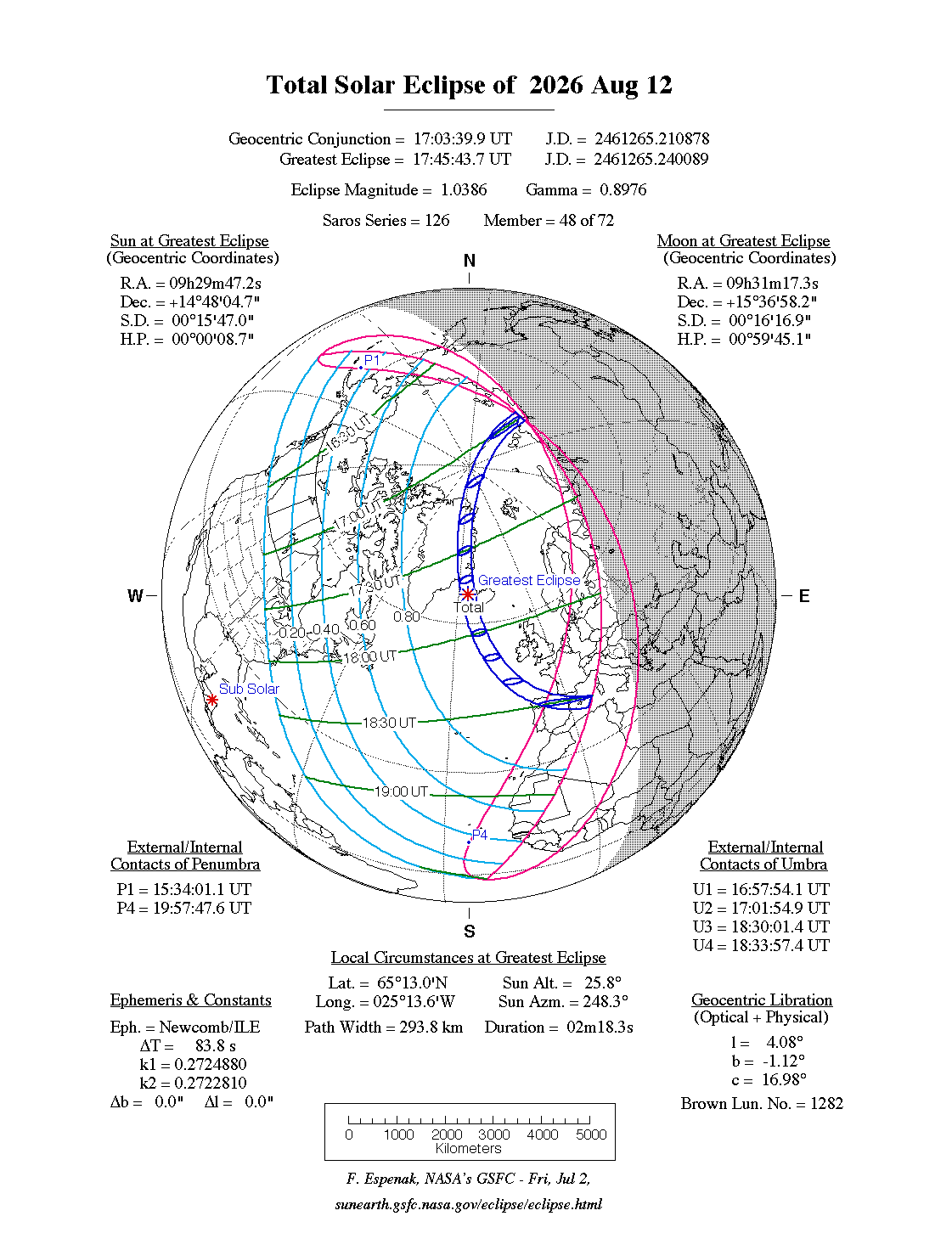


Supermoons Eclipses And Meteor Showers In 2026 NEET 2026 Physics Roadmap Via 2025 S Toughest Mcqs Asksia Learn Review Master The Map Of Study Smarter With Most Interesting Phenomena March What To Observe Image Lun Ecl Zoom Gemini Generated.


Best Physics Concept Map Toolkit Book 2026 For NEET JEE Prep C1052 Maps Of The Month April 2026 By Miguel Garc A Lvarez CE319DB1 74b8 4497 8d30 Animation Shows How All Different Fields In 2026 Astrology Cosmic Planetary Alignments That Shape Your Year 2026 Level Predicted Papers AQA Edexcel Ultimate 2026 Bundle Ig Preview.

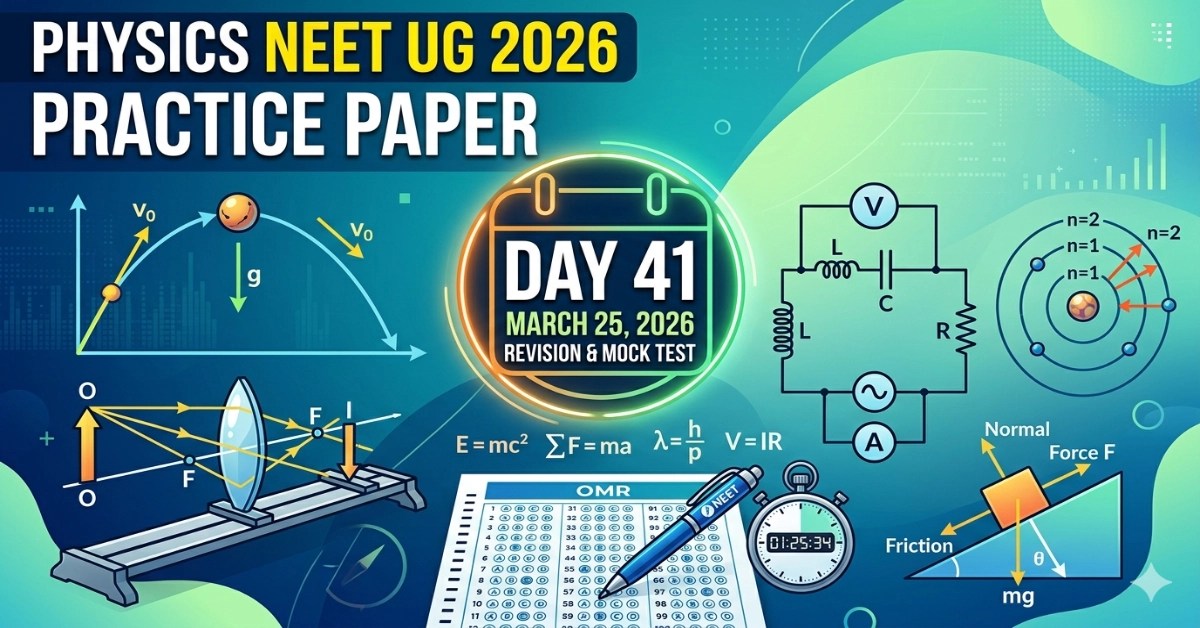

2026 Physics Study Guide South Australian Science Teachers Association 8608 21056 Sasta 2026 Front Cover 202 GENERAL UW Madison Course Map NEET UG 2026 Practice Paper Day 2026 Days 2026 Srchttps Aalto My Sfc P A 5XP Uaa The Of Information Is Beautiful Awards Page.


CBSE Class New Exam Pattern 2026 2027 Marking Scheme Sample Copy Of Dark Blue Gradient 3D Group Petty Debate Game Fun AP Physics 2026 Guide Vs C For Engineering 1e2f40 GCSE 2026 Predicted Papers AQA EDEXCEL F H 2026 JEE 2026 Mind Maps Pyqs Confidence Series Youtube Hqdefault Applied Science Student Success Centre.
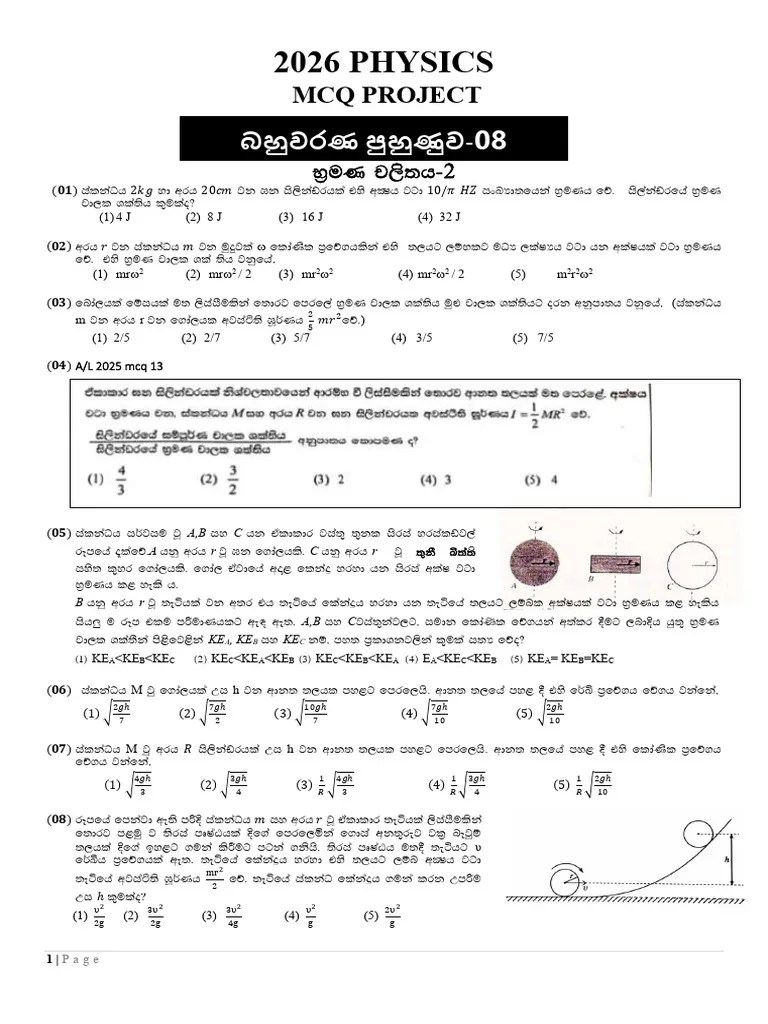
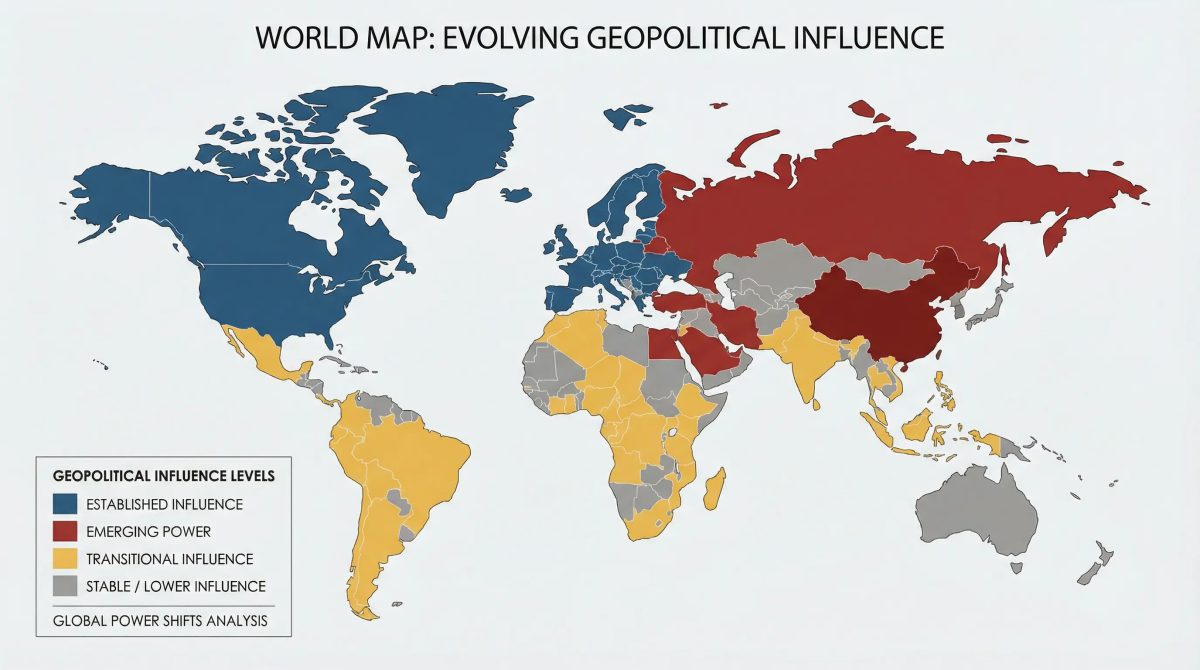

2026 Physics PDF Upcoming Events 2026 Sky Calendar 2026 Astronomy Global Power Map 2026 Who Is Gaining And Losing 2026 World Karate Official Site 1128 2026 Wpm Pairing Scheme 2026 For 12TH Class Download Punjab Board 12TH 2026.

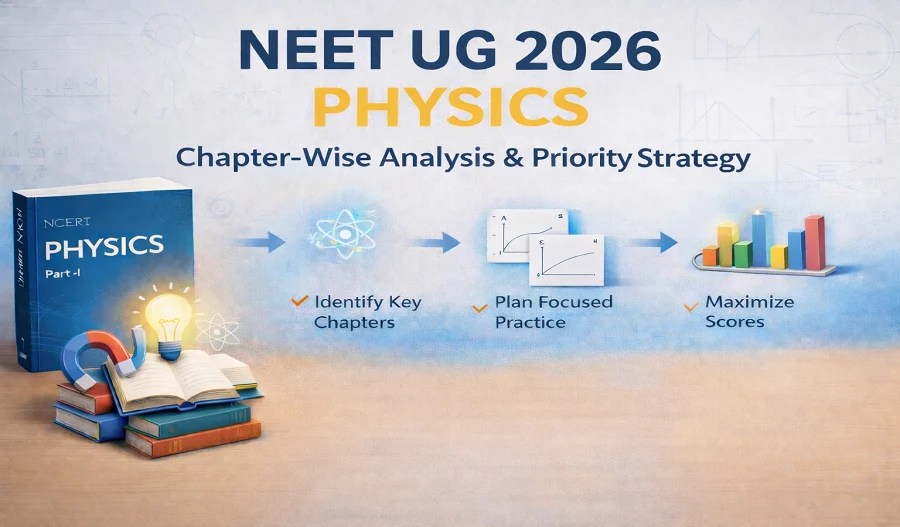

ESA Earth S Magnetic Field During Peak Solar Flare January 2026 GCSE Physics Downloads Advanced Learning Tutoring Paper Pdf NEET 2026 Chapter Wise Analysis Priority Strategy Edutiger 2026 Re 2026 Preparation Most Important Topics 2026 The Map Of Particle PBHO UPDATED8 Site 2048X.