Questions & answers
Q: How do I easily locate EV charging stations on my phone?
A: Most smartphones can easily locate EV charging stations using built-in maps or specialized apps. Google Maps and Apple Maps let you search "EV charging stations near me." Dedicated apps like PlugShare or ChargePoint offer more detailed filters for connector type, speed, and real-time availability. These tools provide directions and essential station information quickly, making it simple to find a power source for your electric vehicle on the go.
Q: What are the best apps for finding electric car chargers?
A: The best apps for finding electric car chargers include PlugShare, ChargePoint, Electrify America, and EVgo. PlugShare offers comprehensive crowd-sourced data, while network-specific apps provide details on their own stations, including availability and pricing. Google Maps and Apple Maps also integrate EV charging locations. Using a combination of these apps ensures you have a wide range of options and information for your charging needs across the country.
Q: Can I filter EV charging stations by connector type?
A: Yes, most modern EV charging station map applications allow you to filter results by connector type. This feature is crucial because different electric vehicles use various connectors, such as J1772, CCS, CHAdeMO, or NACS (Tesla). By applying a filter, you can quickly narrow down your search to only display stations compatible with your specific EV. This saves time and prevents arriving at an incompatible charger.
Q: How accurate is the real-time availability of EV chargers on maps?
A: The accuracy of real-time EV charger availability varies by network and app. Many major charging networks provide direct feeds to mapping services, offering relatively accurate status updates. However, some smaller stations or older equipment might not have real-time reporting. It is always recommended to check multiple sources or the station's dedicated app for the most current information, especially during peak travel times.
Q: What should I do if an EV charging station is broken or occupied?
A: If an EV charging station is broken or occupied, first check your mapping app for nearby alternatives. Many apps show multiple stations in an area. If it's a networked charger, report the issue via the network's customer service or app to help others. Always have a backup plan, especially on longer journeys, by identifying several potential charging stops along your route to minimize inconvenience.
Are you searching for electric vehicle charging stations? The rapid growth of electric vehicles across the United States has made finding reliable charging infrastructure a top priority for many drivers. This comprehensive guide helps you navigate the evolving landscape of EV charging. Discover how digital maps and specialized applications are revolutionizing how electric car owners locate available charging points. From public chargers to fast-charging networks, understanding your options is essential for a seamless travel experience. We explore trending solutions and practical tips to ensure you are always powered up on your journeys. Explore the best ways to pinpoint your next charge.
Frequently asked questions
How do I find the closest EV charging station?
To find the closest EV charging station, use your vehicle's navigation system or smartphone apps like Google Maps, Apple Maps, or PlugShare. Search for 'EV charging' or 'electric car chargers near me'. These tools provide real-time locations, directions, and often details about charger types and availability, guiding you directly to the nearest power source efficiently.
Are there free electric car charging stations available?
Yes, some free electric car charging stations are available, often provided as an amenity by businesses, hotels, or workplaces to attract customers or support employees. While many public charging stations require payment, it's always worth checking your preferred EV charging app for filters or labels indicating 'free' options. Availability varies greatly by location.
What types of EV charging connectors should I know about?
EV drivers primarily need to know about J1772 for Level 2 AC charging, and CCS (Combined Charging System) or CHAdeMO for DC fast charging. Tesla vehicles traditionally use their proprietary connector but are transitioning to the North American Charging Standard (NACS). Always verify your vehicle's connector type to ensure compatibility with public charging stations.
How long does it take to charge an EV at a public station?
Charging time at a public EV station varies significantly. A Level 2 (240V AC) charger can take several hours to fully charge, adding 20-30 miles of range per hour. A DC Fast Charger (Level 3) can provide 80% charge in 20-60 minutes, depending on the car's battery size and the charger's power output. Plan accordingly for your trip.
Can I reserve an EV charging station in advance?
Some EV charging networks and apps allow you to reserve a charging station in advance, particularly for popular or high-demand locations. This feature can be incredibly convenient for planning long trips or ensuring a spot during busy hours. Check with specific charging network apps like ChargePoint or Electrify America for reservation capabilities and policies in your area.
What is 'range anxiety' for electric vehicle drivers?
Range anxiety refers to a driver's fear of running out of battery power before reaching a charging station or destination. This concern can impact confidence in taking longer trips with an EV. However, with the rapid expansion of EV charging infrastructure and advanced mapping tools, range anxiety is becoming less prevalent for most electric vehicle owners.
How do I report a broken or occupied EV charging station?
If an EV charging station is broken or occupied, you can usually report the issue through the dedicated app of the charging network (e.g., ChargePoint, Electrify America) or through community-driven apps like PlugShare. Providing feedback helps network operators address problems promptly and keeps information current for other EV drivers, ensuring the reliability of the charging infrastructure.
Are you frequently asking, "Where can I find an EV charging station nearby?" The convenience of electric vehicles (EVs) is rapidly changing how we travel across the United States. As more drivers embrace sustainable transportation, the need for accessible and reliable EV charging stations map tools becomes paramount. Navigating the evolving landscape of electric car charger locations can seem daunting at first glance. However, modern mapping technology makes finding your next power-up simpler than ever before.
Understanding the current state of EV charging infrastructure in 2026 is key. The network has expanded significantly, offering various charging speeds and connector types to meet every driver's needs. Whether you are planning a long road trip or just need a quick top-up during your daily commute, knowing how to efficiently find public EV chargers is vital. This guide will walk you through the best strategies for locating electric car chargers, ensuring you always have power when you need it most.
The Evolution of EV Charging Stations Map Technology
The days of relying solely on guesswork or sparse information for EV charging are long gone. Advanced mapping applications now provide real-time data, offering detailed insights into available charging stations. These platforms go beyond simple locations; they integrate information about charger types, power levels, and even current availability. This technological leap has transformed the driving experience for electric vehicle owners across the nation.
Leveraging Digital Maps for EV Charging
Today's digital maps are incredibly powerful tools for EV drivers. They allow users to filter searches by connector type, charging speed, and network provider. This precision helps drivers quickly identify fast charging stations near me that match their vehicle's specifications. Many apps also offer user reviews and photos, providing valuable community insights into station reliability and amenities.
Planning routes has become much more sophisticated with integrated EV route planner features. These tools consider your vehicle's range, plan optimal charging stops, and even suggest alternative routes if a preferred station is occupied. This proactive approach significantly reduces range anxiety and makes long-distance EV travel more predictable and enjoyable for everyone.
Understanding Different EV Charging Networks
The United States boasts a diverse array of EV charging networks, each with its own footprint and subscription models. Popular networks include Electrify America, ChargePoint, EVgo, and Tesla Supercharger stations, which are increasingly accessible to non-Tesla vehicles. Familiarizing yourself with these networks helps you plan effectively. Many EV drivers utilize multiple network apps to maximize their charging options, ensuring they always have a backup plan on their journey.
Each network offers different types of chargers, from Level 2 (AC) for overnight or destination charging to DC Fast Chargers (Level 3) for rapid mid-trip power-ups. Knowing the difference and which connectors your EV uses (e.g., J1772, CCS, NACS, CHAdeMO) is fundamental. This knowledge empowers you to select the most appropriate charging solution for your specific needs and travel itinerary. Always verify the connector type before arrival.
What Others Are Asking?
How do I find an EV charging station on a map?
To find an EV charging station on a map, use popular navigation apps like Google Maps, Apple Maps, or dedicated EV charging apps such as PlugShare or ChargePoint. Search for "EV charging" or "electric car chargers." Filters often allow you to specify connector type, speed, and network. These tools provide real-time availability and directions, helping you locate the nearest station efficiently.
Are all EV charging stations compatible with my car?
Not all EV charging stations are universally compatible. EVs primarily use J1772 for Level 2 AC charging, while CCS and CHAdeMO are common for DC fast charging. Tesla vehicles traditionally used a proprietary connector but are increasingly adopting the NACS standard or using adapters. Always verify the connector type required for your vehicle and ensure the station supports it before plugging in.
What is the difference between Level 2 and DC Fast Charging?
Level 2 charging uses a 240V AC power source, typically found at homes or public destinations, providing 20-30 miles of range per hour. DC Fast Charging, or Level 3, uses direct current for much quicker charging, adding hundreds of miles of range in under an hour. DC Fast Chargers are ideal for long trips, while Level 2 is perfect for overnight or extended stops.
How can I plan an EV road trip with charging stops?
Planning an EV road trip requires using an EV route planner app like A Better Routeplanner (ABRP) or built-in navigation systems. Input your starting point, destination, and EV model. These apps calculate optimal charging stops based on your vehicle's range, charging speed, and available stations along the route. They help minimize range anxiety and maximize travel efficiency.
Is using a public EV charging station free?
While some public EV charging stations are free, many require payment. Free stations are often found at businesses, hotels, or workplaces as an amenity. Paid stations typically charge by the kilowatt-hour (kWh), per minute, or per session. It is always wise to check the pricing information on the charging station's app or display before initiating a charge to avoid surprises.
Final Thoughts on EV Charging Stations Map
The ability to easily locate EV charging stations map information is transforming electric vehicle ownership. With advanced mapping tools and an expanding infrastructure, range anxiety is becoming a relic of the past. Drivers can confidently plan their journeys, knowing a reliable charge is always within reach. Embracing these technologies ensures a smooth and sustainable future for personal transportation. What new features would make your EV charging search even better? How has finding EV chargers impacted your travel habits?
Key highlights
Locating EV charging stations is crucial for electric vehicle owners. Digital maps offer real-time data on charger availability and types. Planning routes with charging stops reduces range anxiety significantly. The expansion of EV infrastructure continues rapidly across the US. Understanding different charging speeds and connector types is essential. Using map features like filters enhances the search experience. Reliable access to charging supports sustainable transportation growth.
Gallery
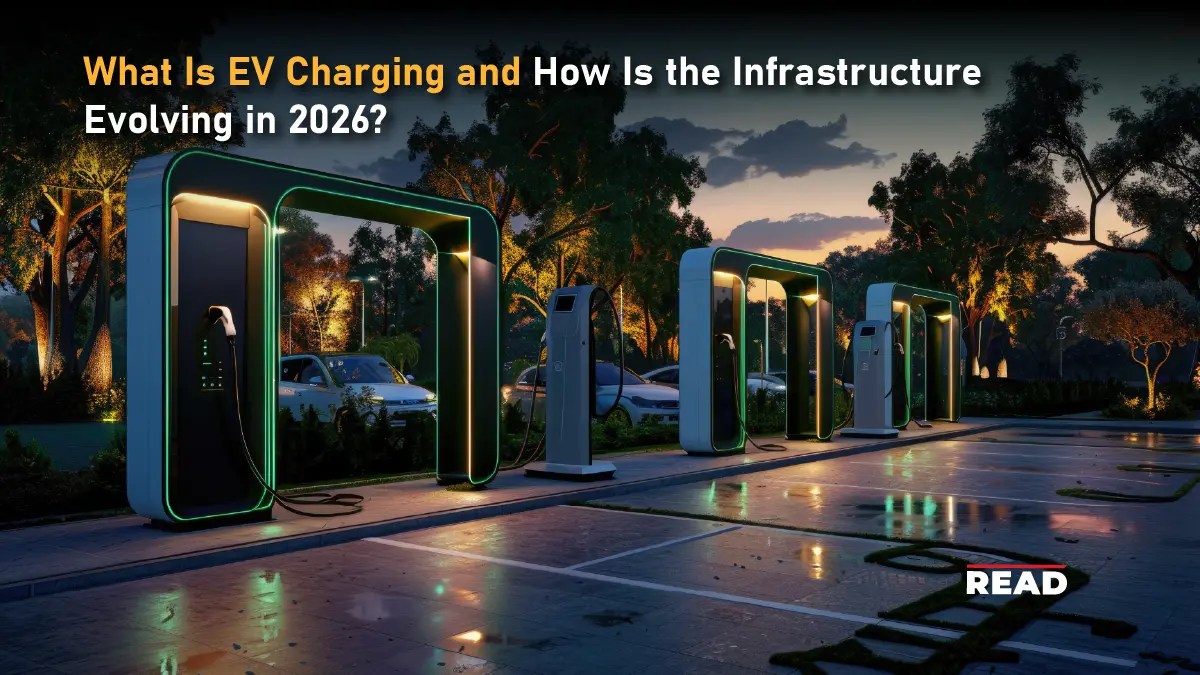


What Is EV Charging And How The Infrastructure Evolving In 2026 Energy Splendorglobal Trends 2026 Market Global 2026 Top Innovations Of 2026 That Will End Range Anxiety Current State India 2026 Public Home Fleet Networks 2026 UK Mergers 2026 Consolidation Best 2026 Guide Malaysia AC DC Chargers Connectors Costs Car Unnamed For Beginners A 2026 To Using Evie Tesla Chargings Stations Sydney 2026 Growth Business Chatgpt Image Mar 2026 PM 2026 2026 Picks Fast Reliable 2026 R8S8G 2026 R8S8G Ireland S New Strategy 2026 2028 It Means You Task 01KJJ7ZM84EW2VEJ0Z3YAG01NJ 1772286390 Img 01KJJ7ZM84EW2VEJ0Z3YAG01NJ 1772286390 2026 Complete Everything Need Know About 2026 2026 Improving Still Needs 699F333F18DFA80F473D05FB Hero 699F333F18DFA80F473D05FB China Charger Factory 2026 Build Profitable Building Station 2026 Insights From Chinese Manufacturers 2026.


EV Charging Powering Through To 2026 Infographics Final Infographic 2026 Network Australia Highway Tips Sales Hit Record High In March 2026 As Fuel Crisis Drives Shift Image 2026 Commercial Infrastructure Market Trends Growth 2026 And Forecast B2B Guide 2026 B2B Is The US Actually Ready 2026 Real Data Answer 2026 Nevi Readiness 2026 Reasons Businesses Are Installing Chargers 2026 Solar Powered Still Worth It 2026 Charger Post 2026 CCFD24B5 2026 CCFD24B5 Future Technology 2026 Home VS Public Fast Station Malaysia 2026 Complete All Networks Shell Recharge Rapid Electric Car Points Installation Regulations 2026 Explained 2026 How Expanding 2026 Long Term Rental Chatgpt Feb 2026 PM 2026 Monitor Europe S Reaches Report European April 2026.
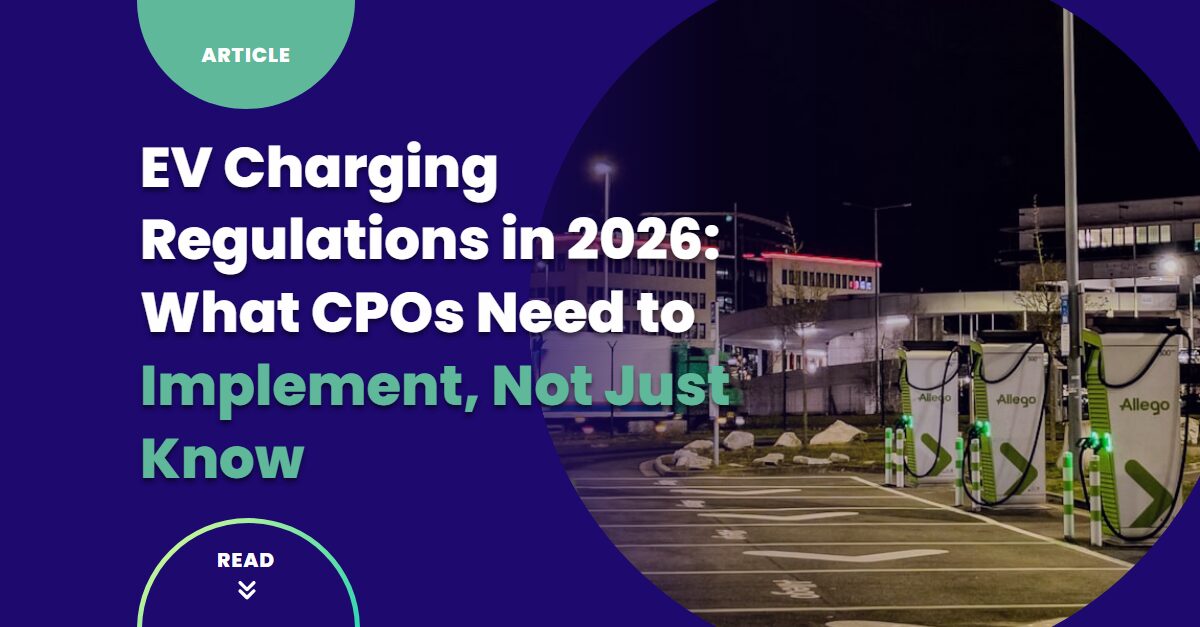


EV Charging Regulations 2026 Deadlines Mandates Codibly 2026 Cover 2026 Commercial Infrastructure Market Trends Growth Station ROI Analysis 2026 Investment Outlook For B2B Investors 2026 B2B Company Blogs List Niuera Krkwjwmabw Power Up North American Conference 2026 Jan F65E2849 45BE 428A ABB9 94b19f8fc200 F65E2849 45BE 428A ABB9 94b19f8fc200 Guide 2026 Costs Locations Gemini Generated Image 54SQGG54SQGG54SQ Fastest In 2026 Top U S Models Ranked 2026 Dc Fast 2026 6TH European 2026 Share Houston 2026 Installation 2026 Hero 2026 Ontario New 2026 Rate A Big Win Hc Blog Oebdcfc Truck March 2026 Joint EVD003 Charger EVD003.